
Filipino Man Builds Hydro Power Plant from Scrap — Free Electricity for 4 Years
A self-taught inventor in Albay built a micro-hydro power plant from junk shop scrap — powering his mountain home with free, unlimited electricity 24/7.
FEATURED STORIES
Joseph P.
6/11/20264 min read
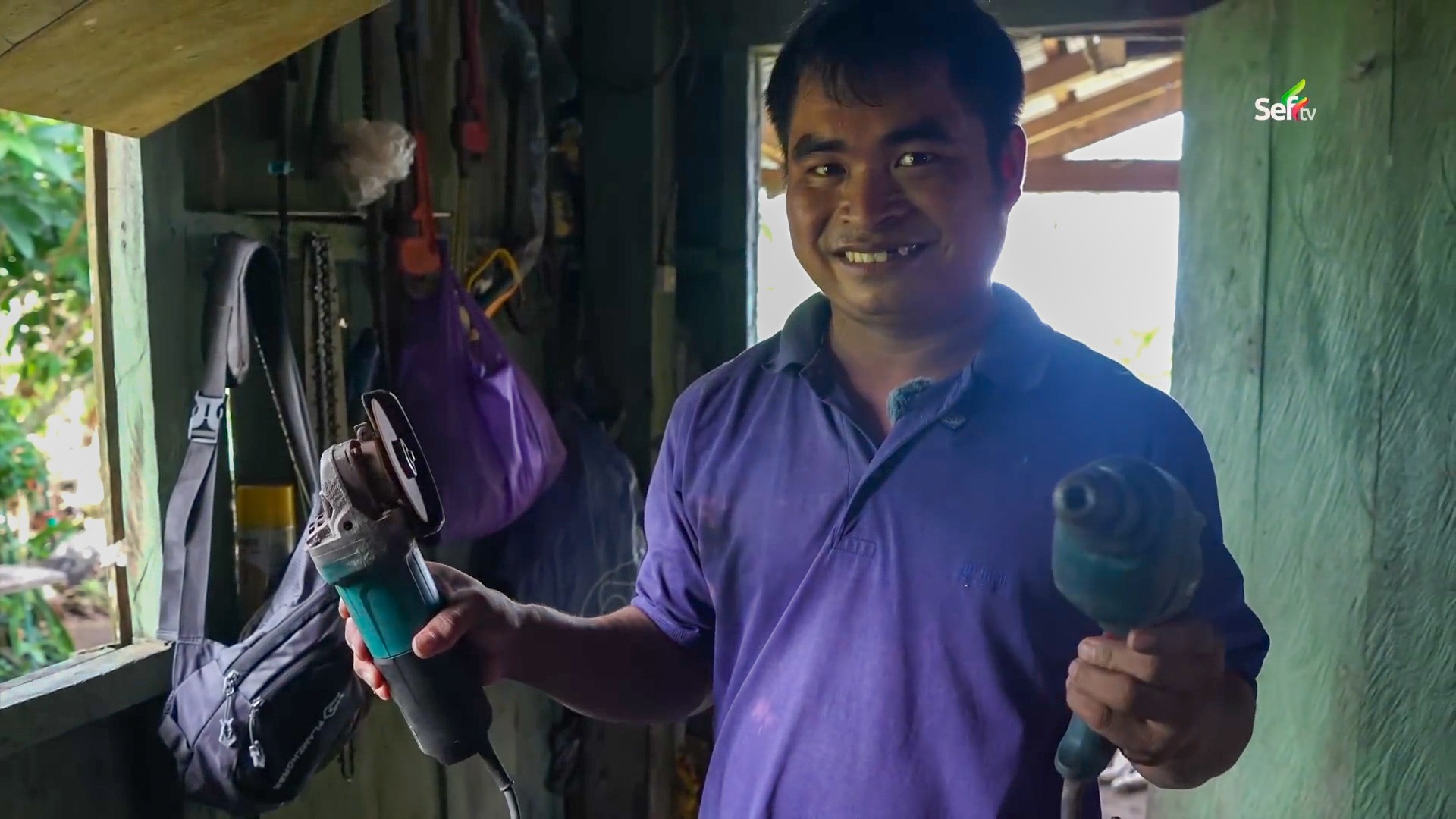
The Man Who Built His Own Power Plant from Scrap
Somewhere on the slopes of Mount Masaraga in Albay, a self-taught inventor has quietly achieved what millions of Filipinos only dream of: free, unlimited electricity — twenty-four hours a day, four years running.
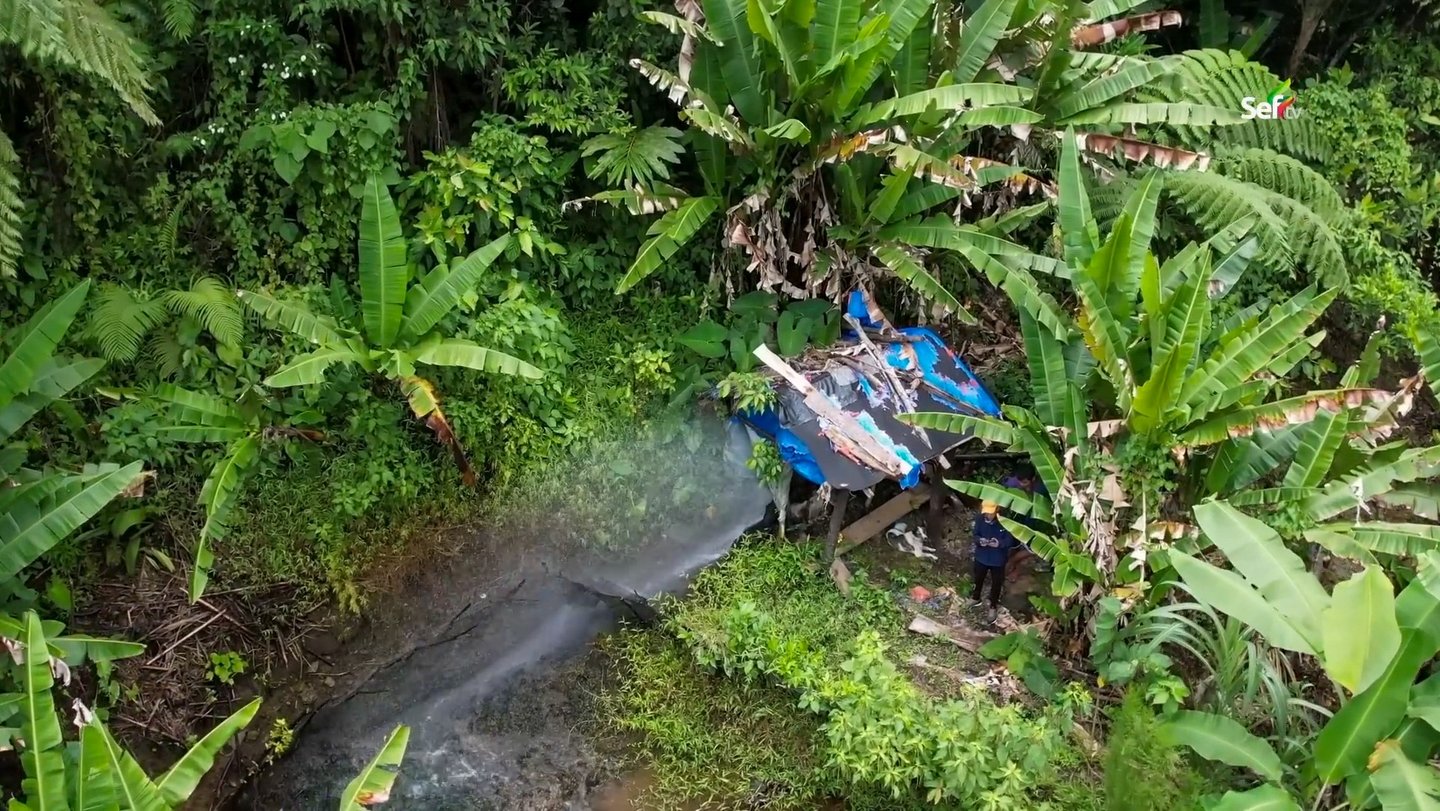
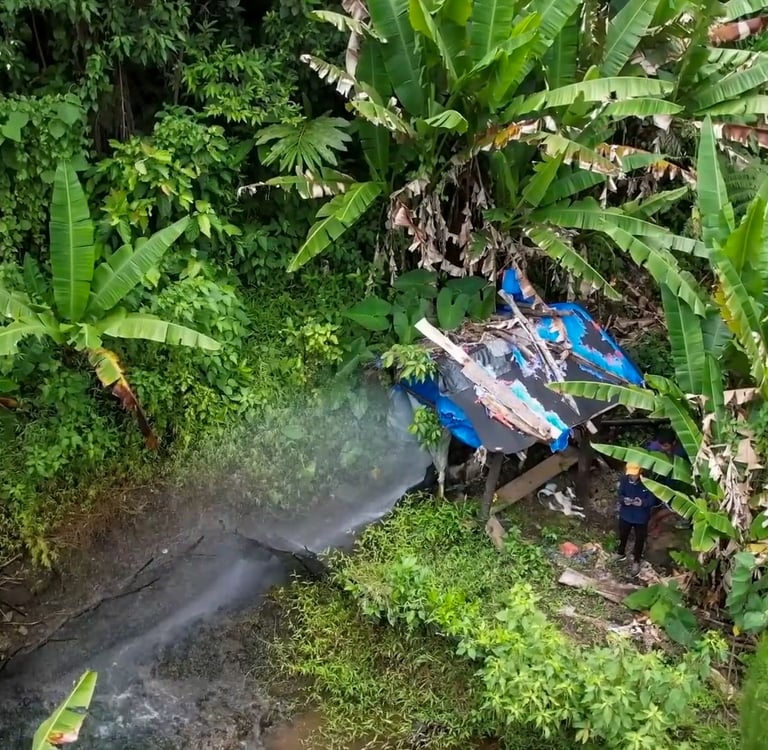
When people think of Albay, they think of the perfect cone of Mayon Volcano. What they don't picture is what's hidden on the forested slopes across from it, near the summit of Mount Masaraga: a homemade micro-hydroelectric power plant, built almost entirely from recycled parts scavenged from junk shops, humming away in the middle of the jungle.
A Childhood Obsession That Grew Up
Jomar's invention didn't appear overnight. As a kid, he was already tinkering with miniature micro-hydro generators, salvaging the dynamo from a cassette player and using it to light tiny bulbs — the kind you'd find in a lighter. They worked. And that small success planted a question in his head: what if he built something bigger?
Years later, he did. Piece by piece, using secondhand and recycled materials, he assembled a full micro-hydroelectric generator deep in the forest near his mountain home. By his account, the machine produces enough electricity to supply roughly ten households — and it has been running continuously for four years without interruption.
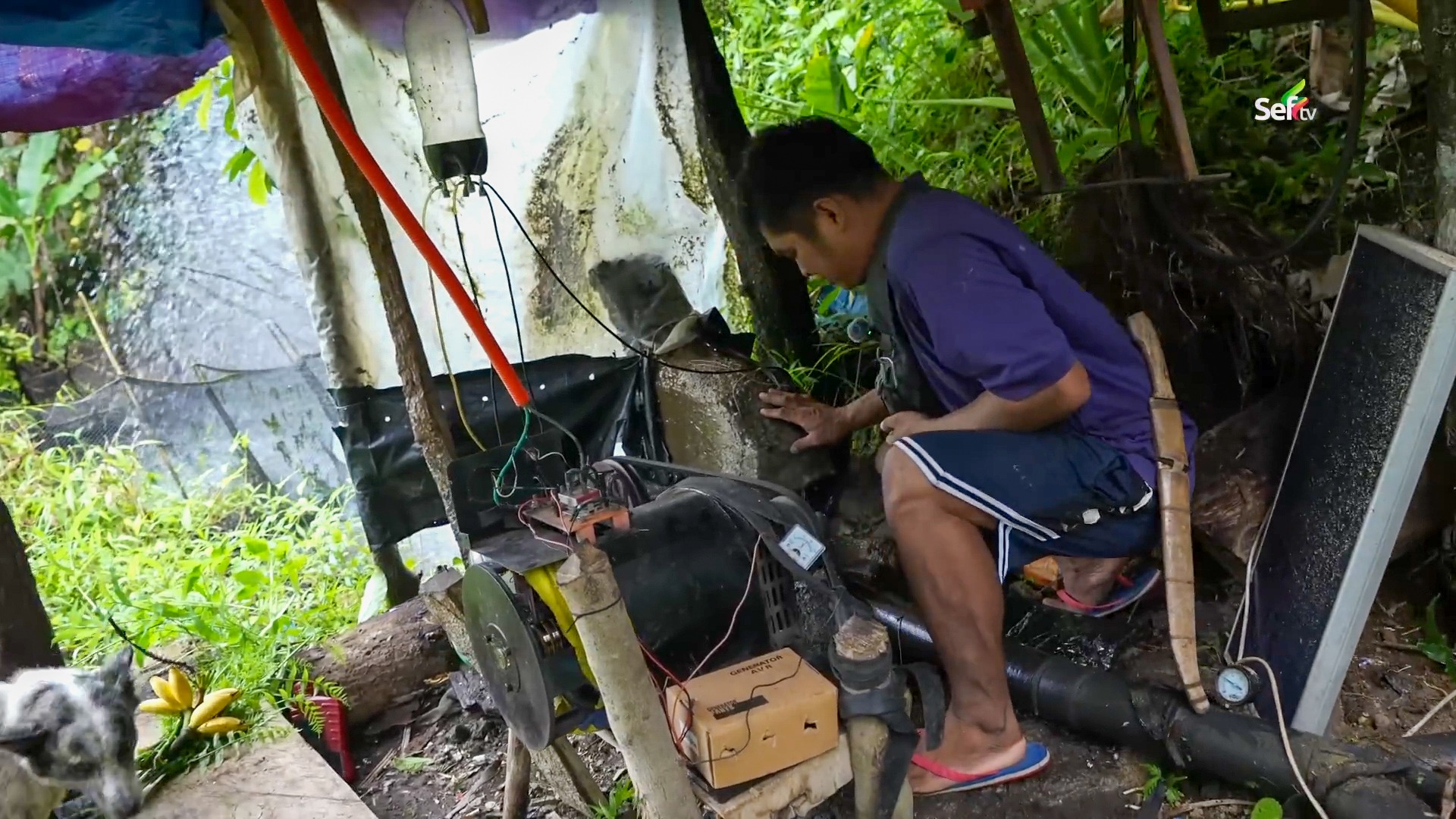
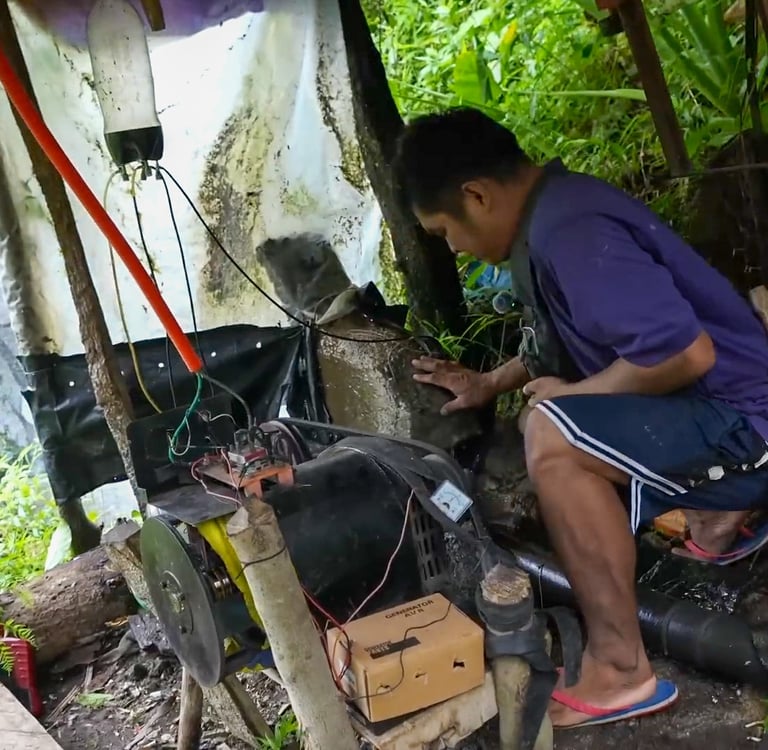
The genius of Jomar's system is its simplicity. Instead of tapping a river, he connected his plant to a natural mountain spring — a bukal — with an endless, free supply of water.
The water is piped downhill, building up pressure of around 20 to 30 PSI. That pressurized flow spins a turbine, and the spinning turbine drives a generator that produces around 200 to 220 volts. After passing through the system, the water simply returns to the small stream below and continues down the mountain. Nothing is wasted, and nothing is paid for.
How It Works
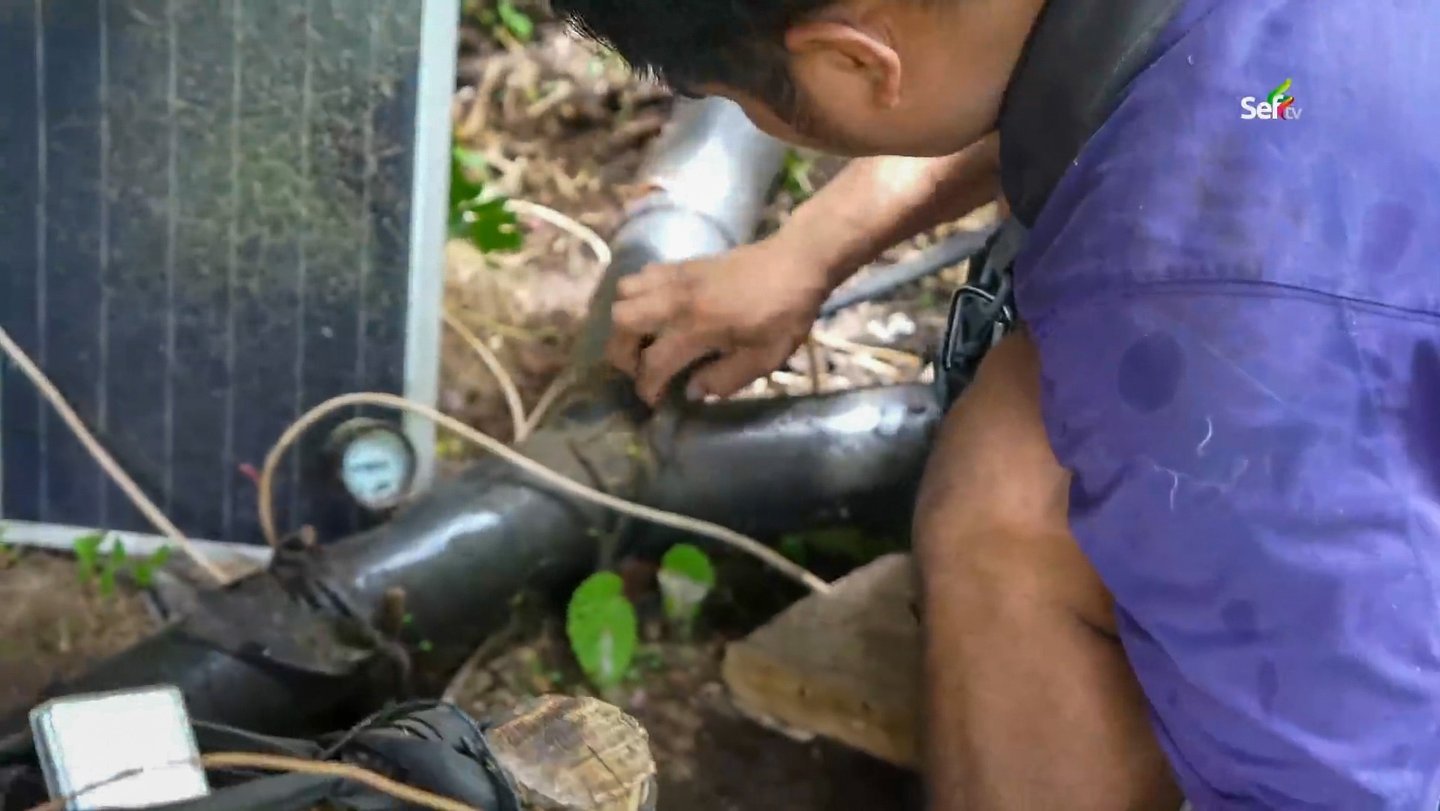
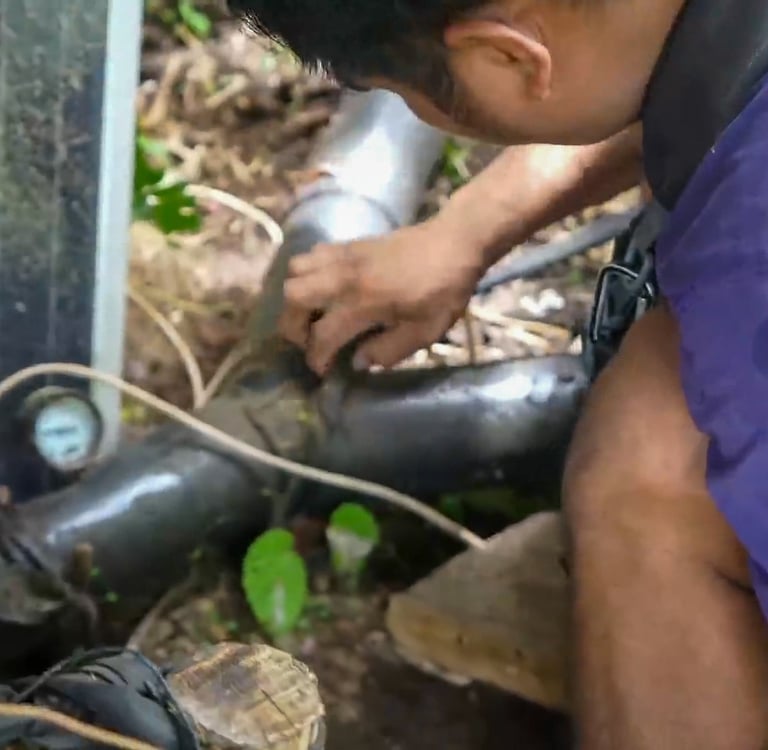
Because the setup draws from a spring rather than a river, it has two huge advantages. First, it's immune to flooding and landslides that would wreck a river-based system. Second, unlike solar panels that need sunshine to harvest energy, the spring never stops flowing — which means the electricity never stops either. Rain or shine, day or night.
Not Just Electricity — Running Water, Too
The power plant isn't even Jomar's only invention on the mountain. A few meters away sit two ram pumps — devices that use nothing but water pressure itself to push water uphill. No electricity, no batteries, no fuel. Just physics.
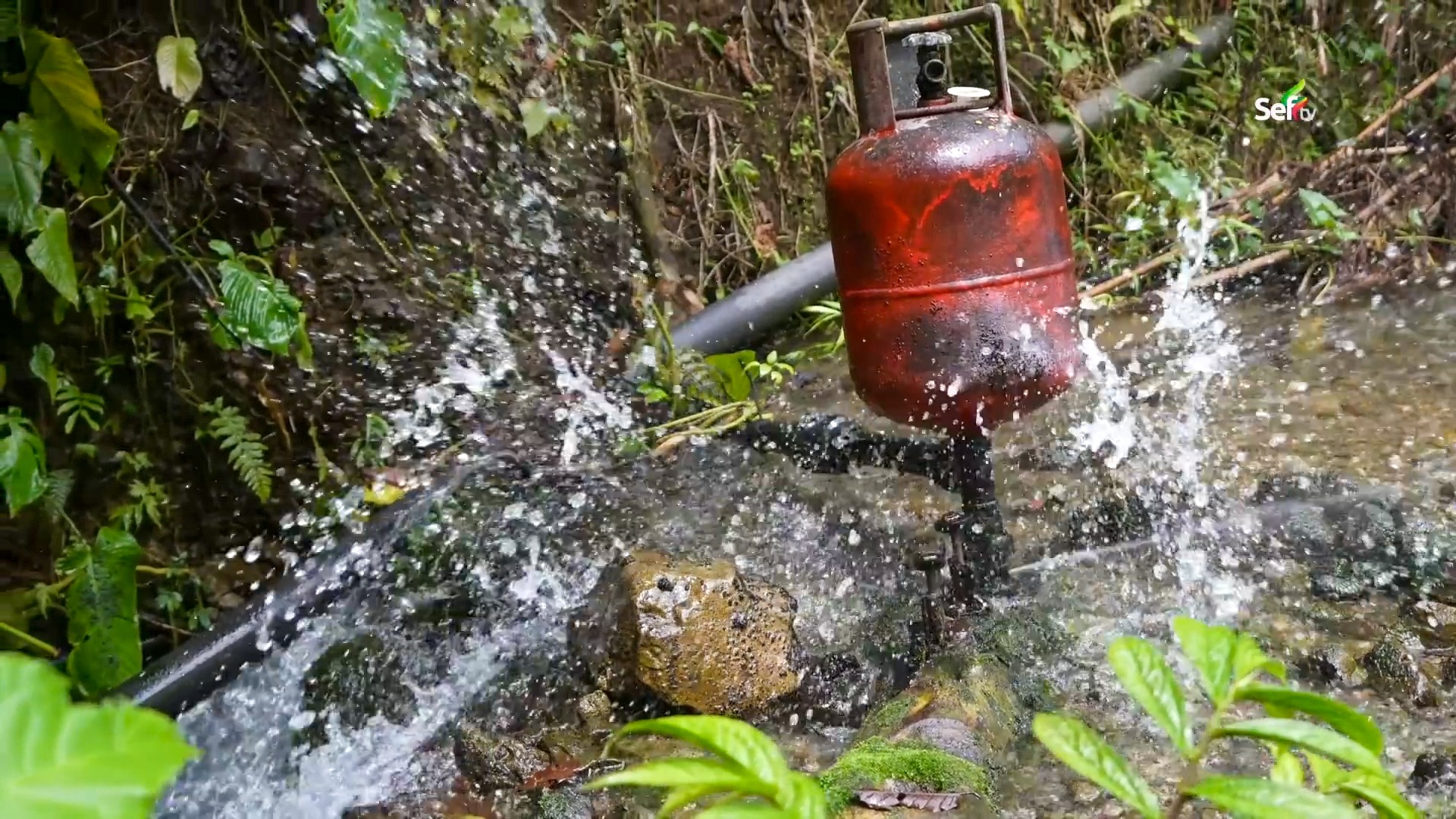
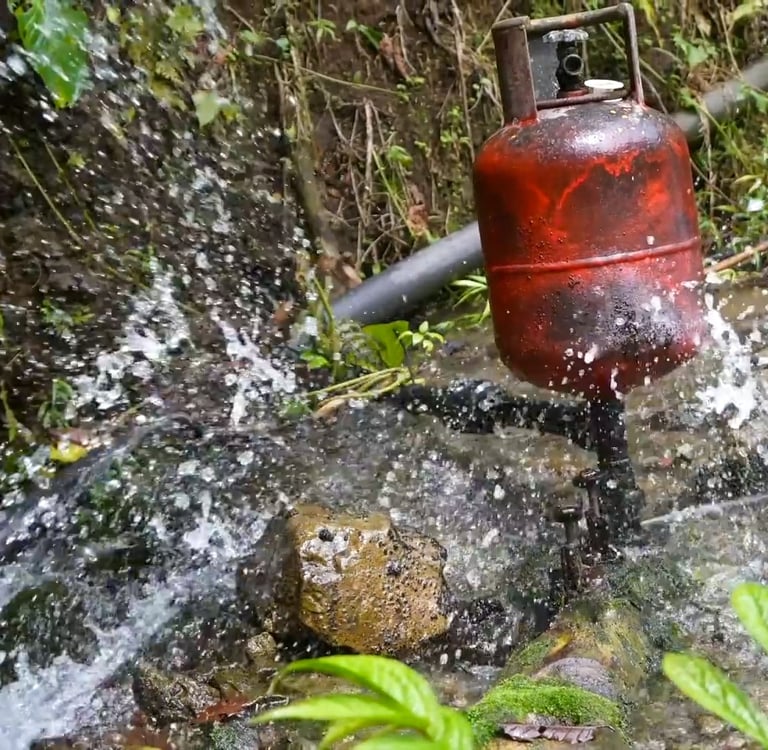
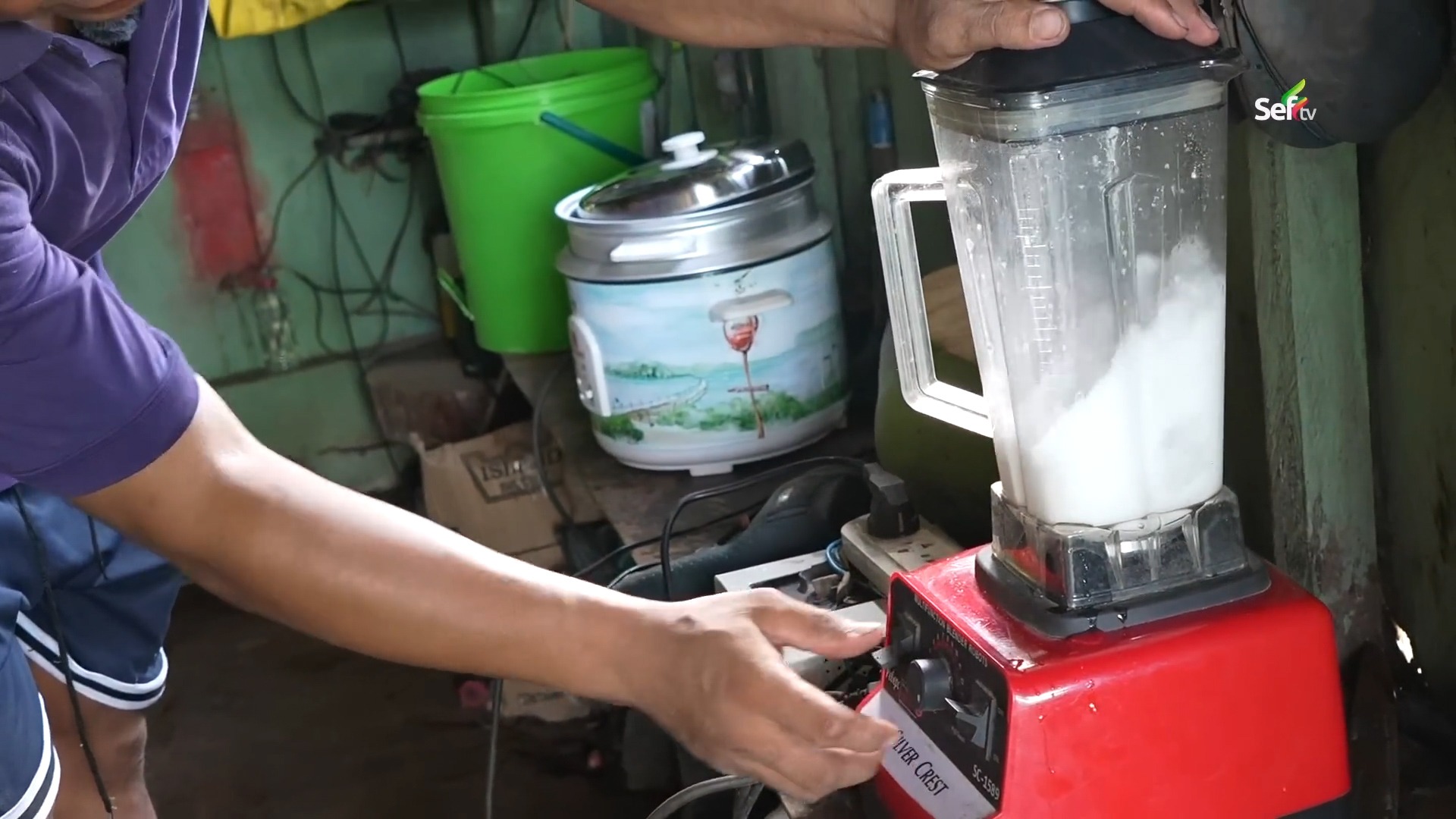
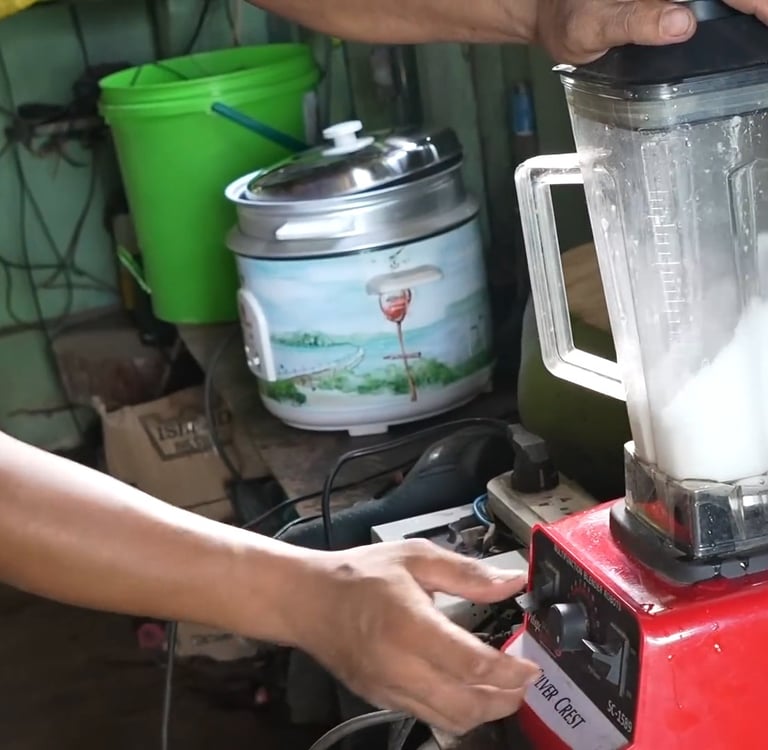
Here's the part that surprises most viewers: this is no primitive existence. Step inside the family's hillside home and you'll find a working electric meter, lights, a television, a stereo and amplifier with outdoor speakers, WiFi internet, a water pump, an electric coconut grater, a grinder, and power tools — at one point in the video, the system effortlessly handles loads of several hundred watts at once.
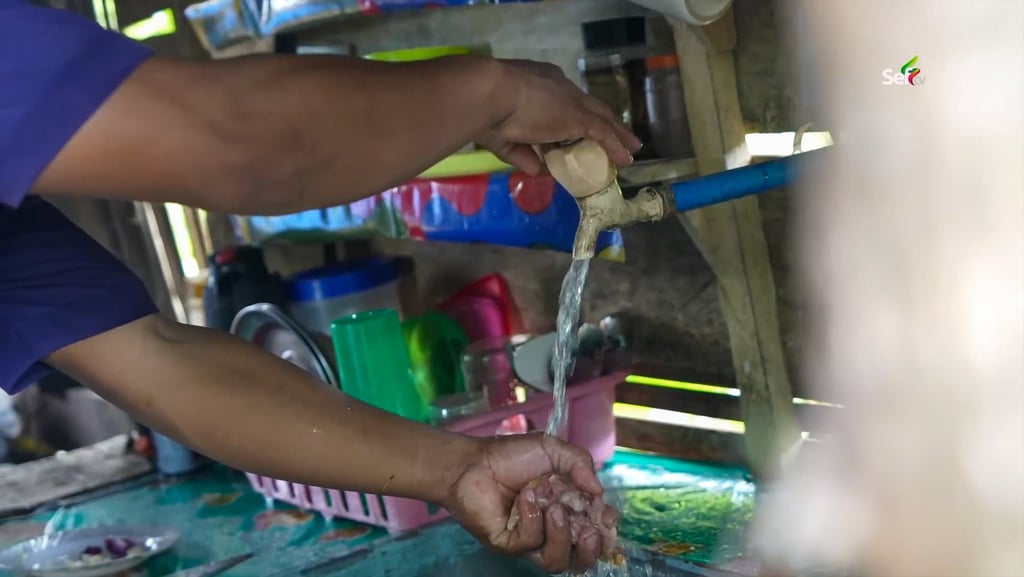
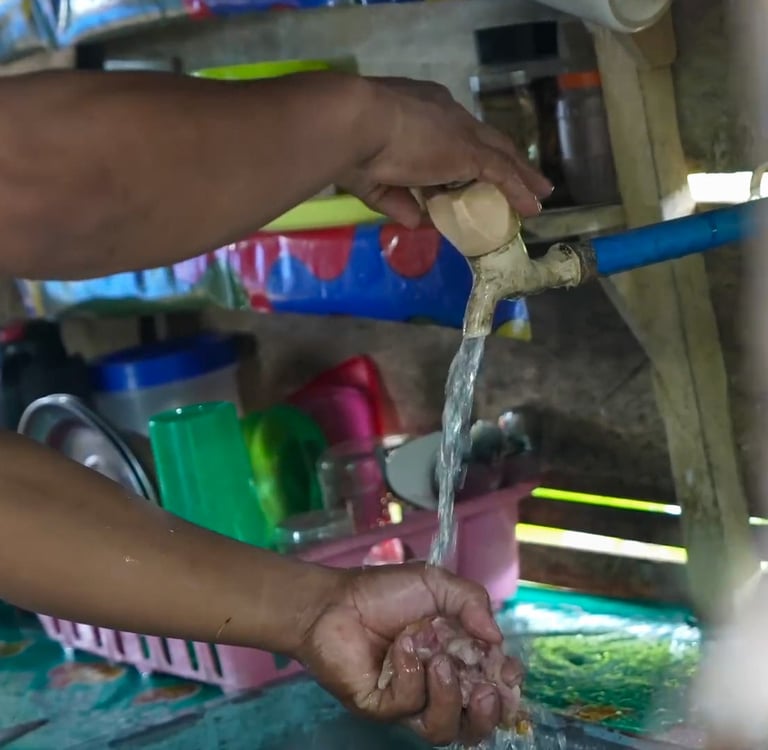
Life Off the Grid — But Fully Connected
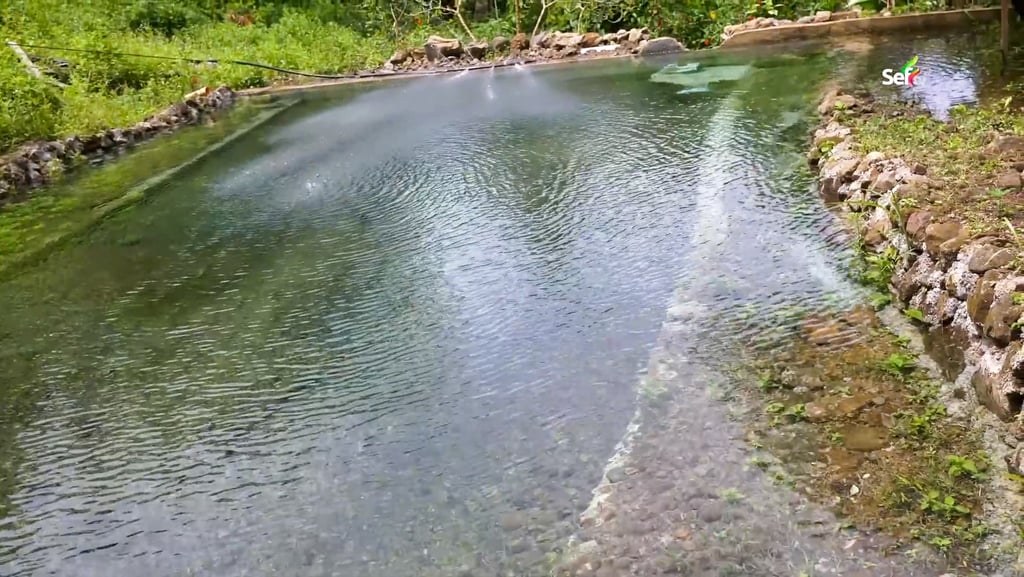
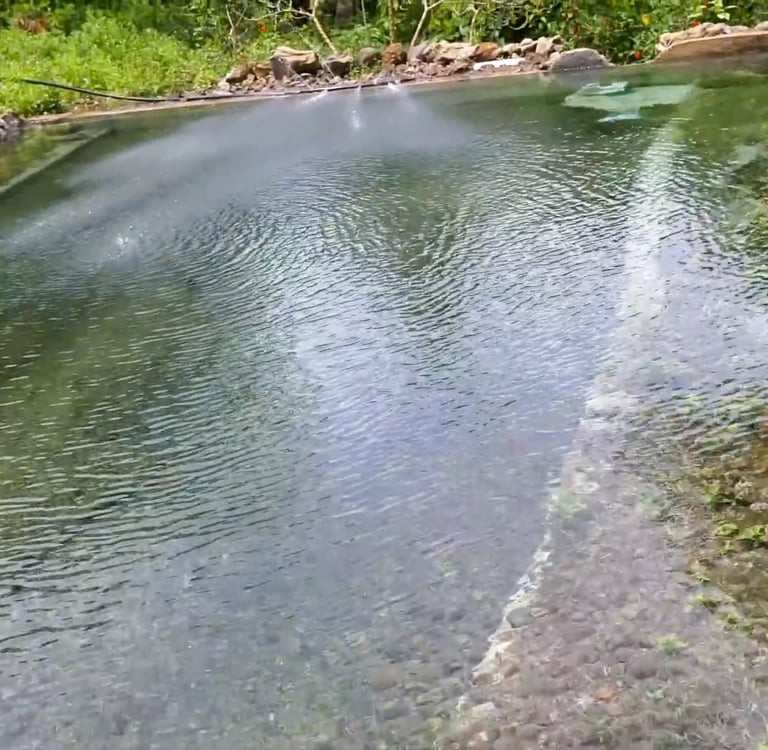
Before he built them, Jomar hauled containers of water up the steep mountain trail by hand — a brutal climb that left even the visiting film crew, carrying nothing, exhausted. Now the water climbs by itself, all the way up to two houses. There's even a crystal-clear cold spring swimming pool along the way, where the pressurized hose shoots water into the air like a fountain, plus a fish pond he built and stocked up at the house.
The land around the house provides nearly everything else. The family harvests abaca fiber, which they thin and process by hand to sell at 72 pesos per kilo. They gather pili nuts, grow jackfruit and vegetables, and raise chickens. They even cultivate a special local banana called manang — sweeter-smelling than market bananas, though local wisdom warns you should never eat it on an empty stomach, lest you suffer pasma: cough, colds, and headache.
Jomar's nieces, who live in the house, say they only go down the mountain about once a month. Why would they need to go more often? As one of them put it, everything is already there — vegetables, water, electricity, TV for the kids, even internet.
When asked how it feels to live in a place that has nearly everything, Jomar's answer was simple: he's happy. Fresh food, vegetables, chickens, water, electricity. The only thing they still have to buy, he says, is rice.
Loved this story? Share it with others.