
Inside Balabac's Crocodile Village: Where Locals Live With 20-Foot Giants
Journey to Purina in Balabac, Palawan — a remote stilt village where saltwater crocodiles appear daily and locals fish the same waters the giants hunt.
FEATURED STORIES
Joseph P.
6/11/20267 min read
Where Crocodiles Are Neighbors: A Journey to Balabac's Remote Village of Purina
"In our area, sometimes you see not just one. Three to four can be spotted every time you go."
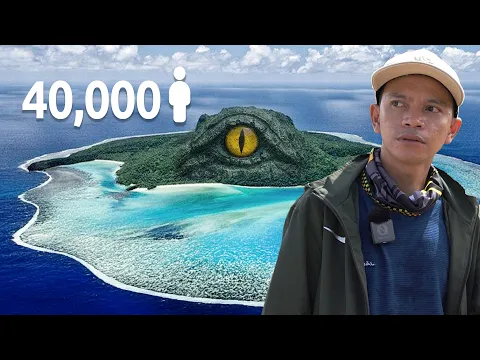
That's how a resident of Balabac describes the crocodiles in his backyard — not as a rare sighting, not as a freak event, but as a fact of daily life, the way the rest of us might describe traffic. Balabac, the southernmost town of Palawan, is one of the few places in the Philippines where saltwater crocodiles are still seen regularly: on the beach, in the rivers, in the dense mangroves, and sometimes tangled in a fishing net right under someone's house.
We went there to see it for ourselves.
Watch the video
The Long Road South
Getting to Balabac is a journey in itself. From Manila, we flew to Puerto Princesa, then traveled more than five hours overland to the southern tip of Palawan, arriving at Buliluyan Port at 8:30 in the morning. There we met our guide, Jess, and joined a group from Isla Malaya Travel and Tours — a mix of foreigners and locals all headed into Balabac's scattered islands.
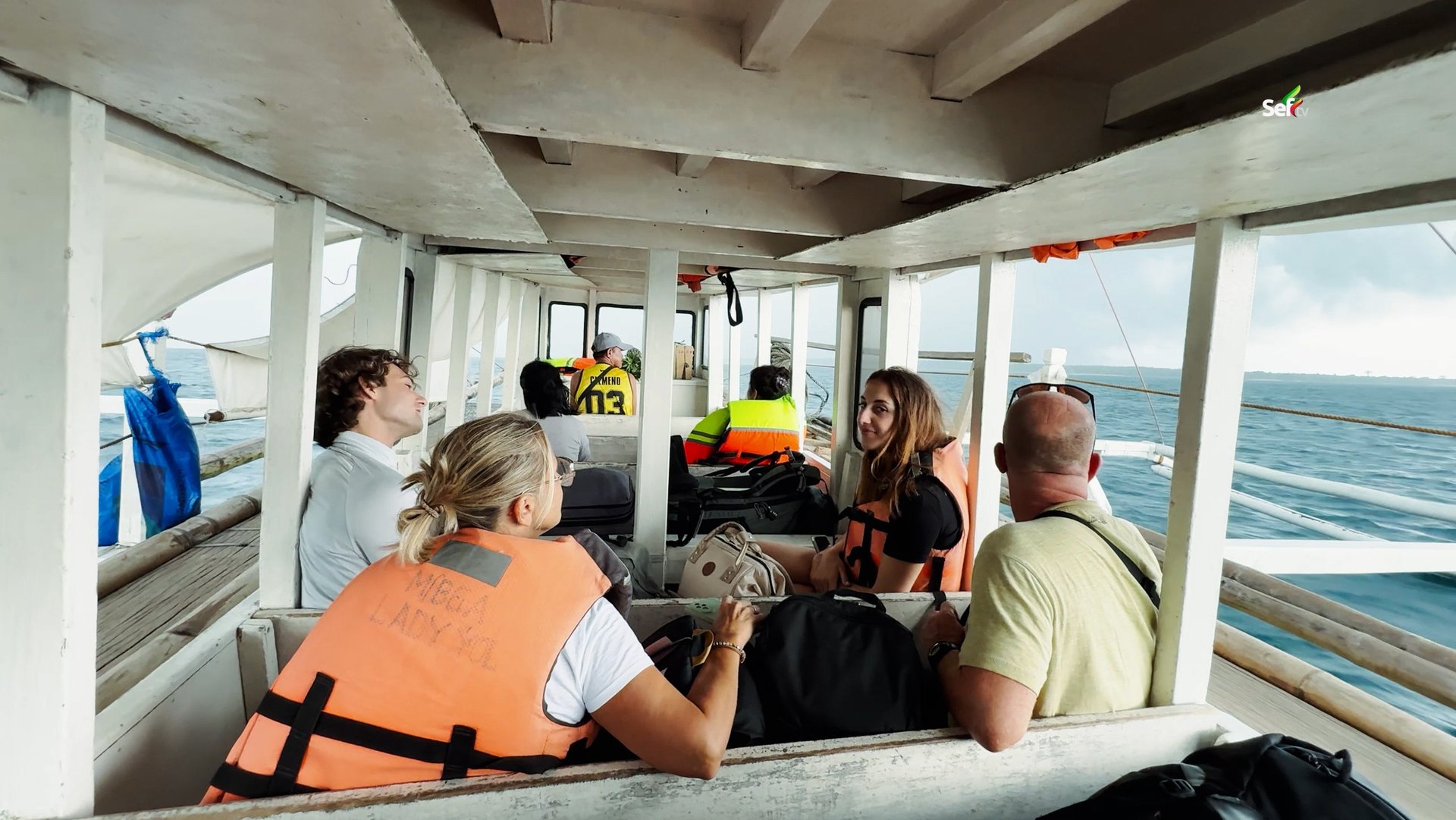
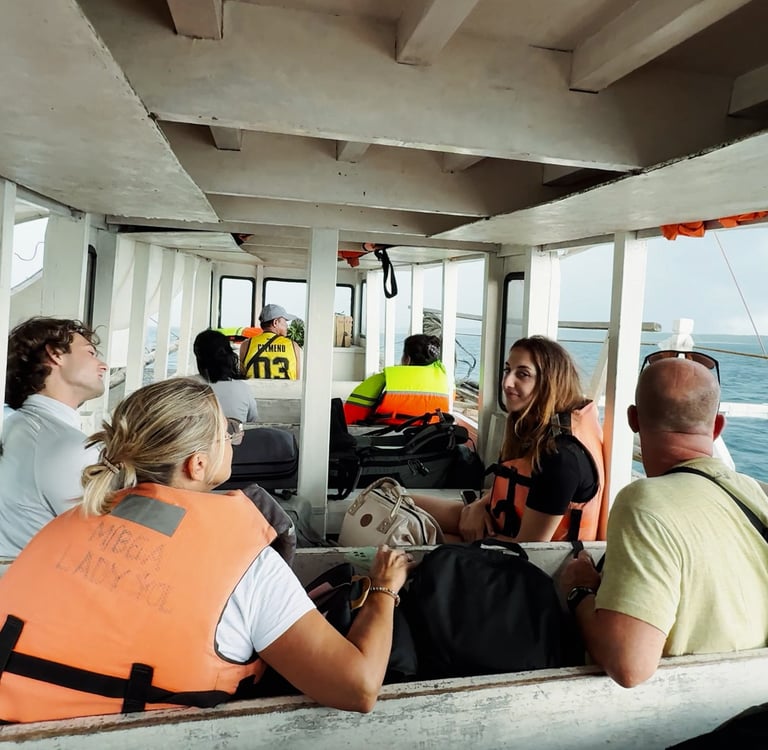
Rain clouds threatened as we boarded the boat for the hour-long crossing to Bancalaan Island. The locals were unbothered. "Later, it will be okay," they assured us — and they were right. If anyone knows the weather here, it's them.
Paradise First
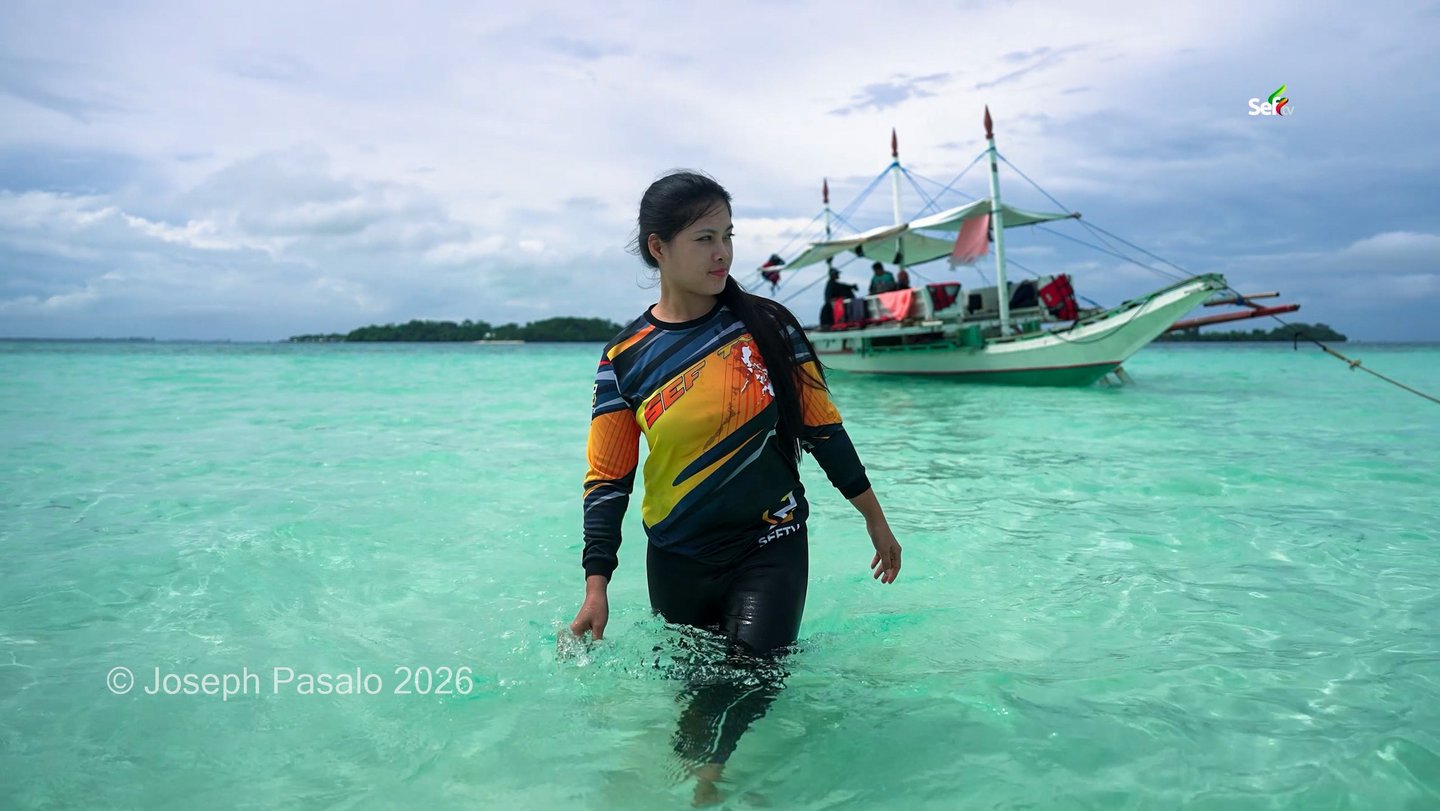
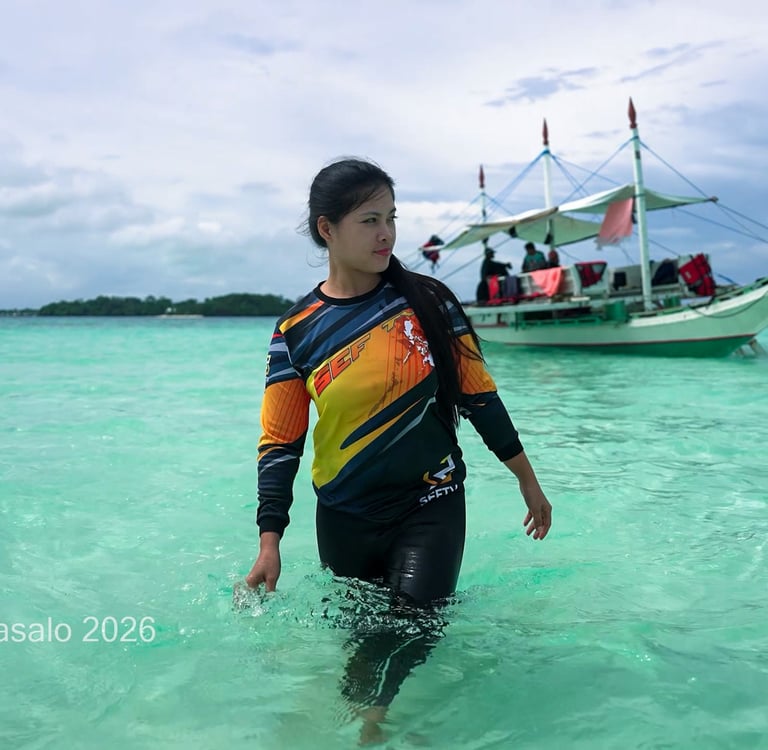
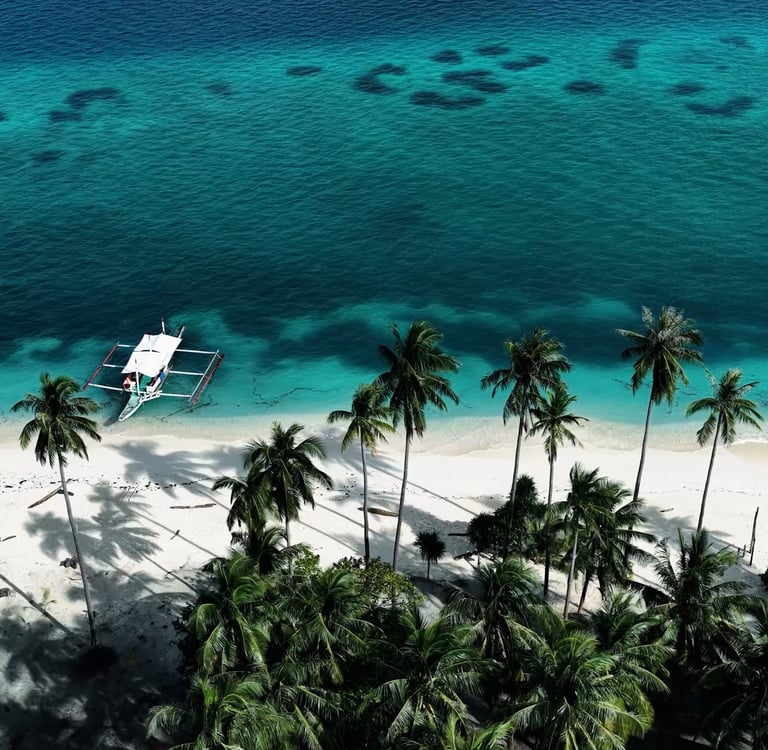
Before the crocodiles, Balabac shows you why people fall in love with it. Thirty minutes from Bancalaan, the sandbars of Manta and Mansalangan rose out of crystal-clear water, colorful starfish visible beneath the surface. Mansalangan is considered the longest sandbar in Palawan — you can spot its white streak across the sea from far away.
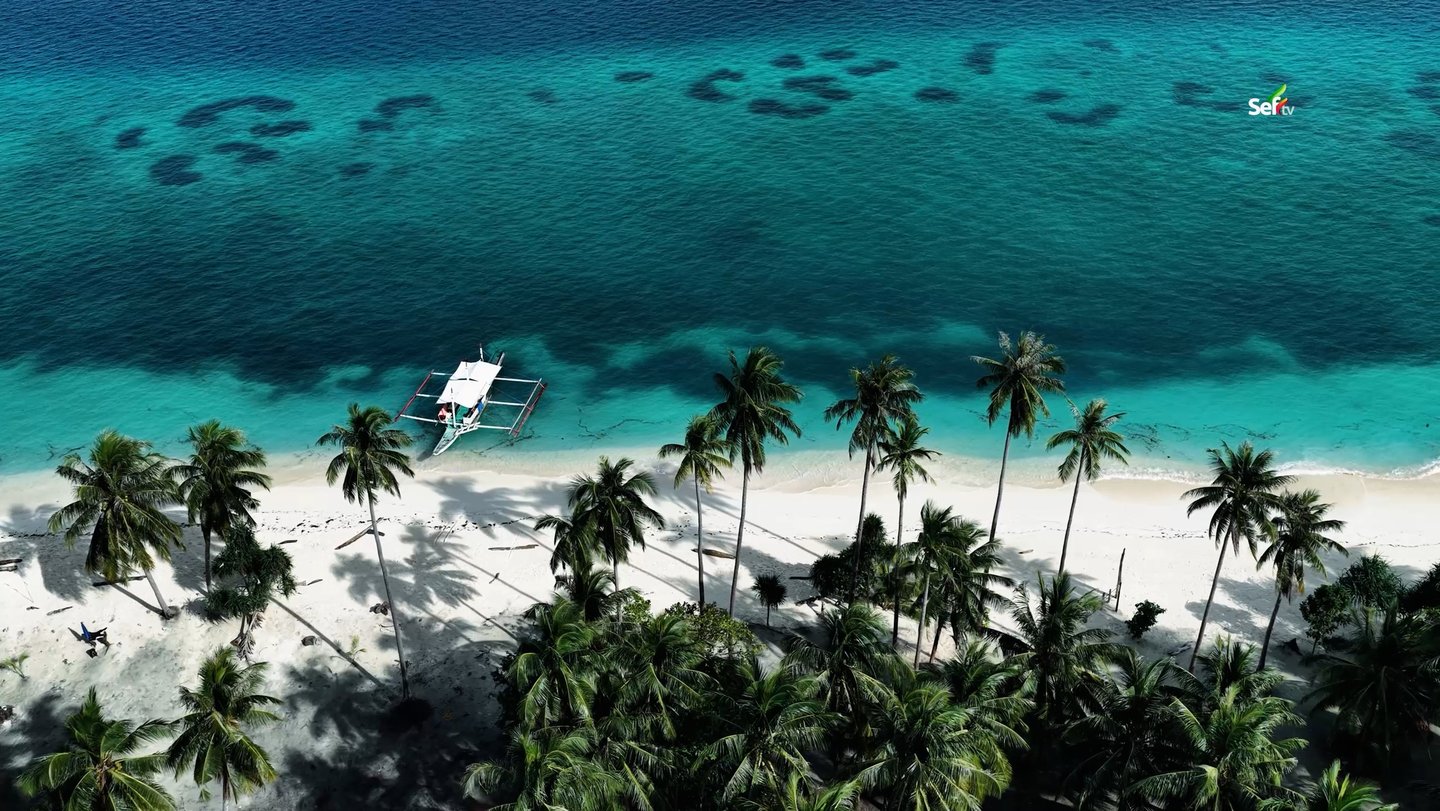
Then came Patongong Island, and of all the islands we visited, this was the one that truly stunned me. From one end of the beach to the other: nothing but pure, fine sand. No stones. No broken coral. The foreigners traveling with us scattered across it the moment we landed.
We spent the night at Isla Malaya's base camp on Bancalaan, sleeping in a tipi-style hut. The camp has six rooms, with more huts under construction, and the snorkeling is right out front — clams, starfish, and healthy corals just steps from shore. At the dock, we noticed boats with strange, distinctive designs: vessels built to cross the rough seas toward Tawi-Tawi. Balabac sits so close to the Malaysian border that the bottled water and most of the snacks sold here come from Malaysia — it's simply cheaper and more available.
It was a day of beauty and rest. We would need it for what came next.
Crossing to Crocodile Country
The next morning, we made the hour-plus crossing — more than twenty kilometers — to the Balabac mainland. The change announces itself in the water: the blue, glass-clear sea of the islands gives way to a murky, brownish tide near the mainland. The water level was low when we arrived, the boats sitting far down below the pier.
"It's low tide today, sir," our guide told us. "So there's probably an 80% chance we will see crocodiles."
On shore, the warnings are everywhere. Signs along the road prohibit swimming on beaches where crocodiles have been sighted. One sign was so old and weathered that the writing had faded completely — but the message didn't need words. The water is right there below, and many residents live directly on the edge of the sea.
The Village at the End of the Road
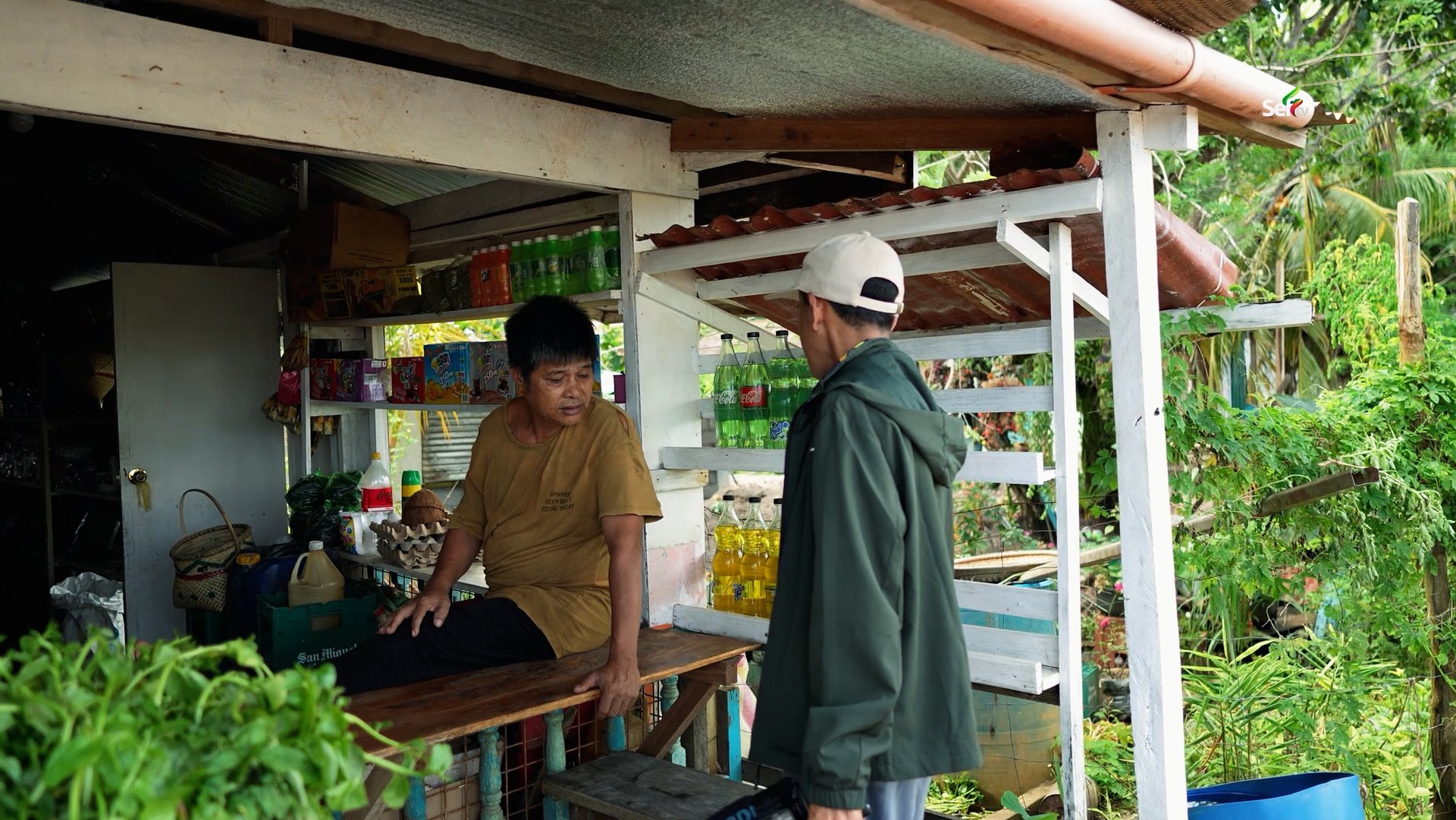
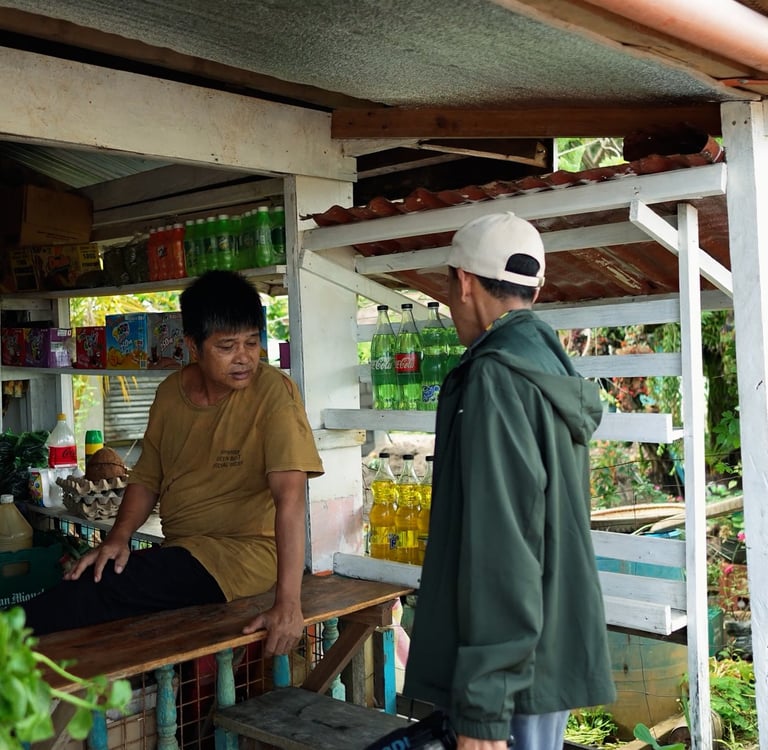
We asked one of them when he had last seen a crocodile.
"Yesterday," he said. "Right across from the barangay hall."
How big?
"Maybe up to twenty feet."
Is that normal here?
"That's normal here."
He told us about the goats and dogs that get dragged from the shoreline. Nobody seemed shocked. Nobody seemed to expect us to be shocked either.
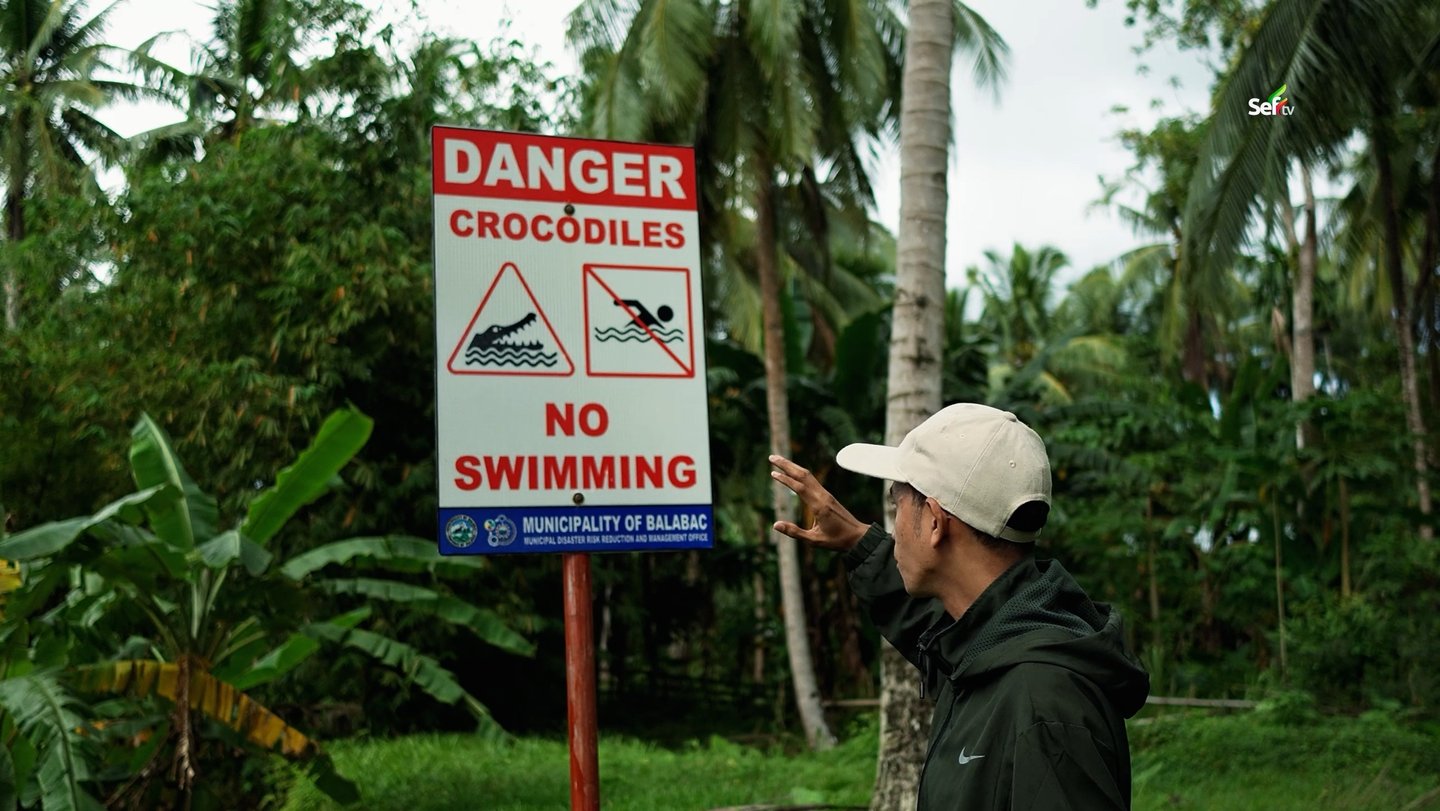
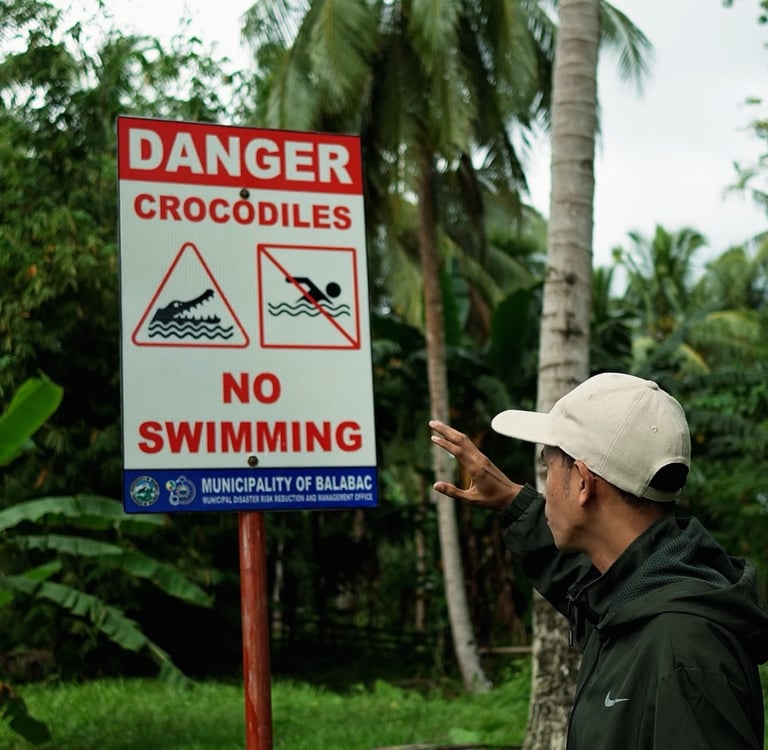
From Balabac proper, we drove twelve kilometers to where the paved road simply ends — the remote village of Catagupan. The same warning signs greeted us here: no swimming, no bathing in the river, because crocodiles may be present.
To reach the community on the far side, we boarded what locals say is the fastest boat available, and then did the thing every instinct argues against: we traveled down a stretch of river known to be inhabited by crocodiles. Nervously, holding our breath, we watched the mangroves slide past on either side.
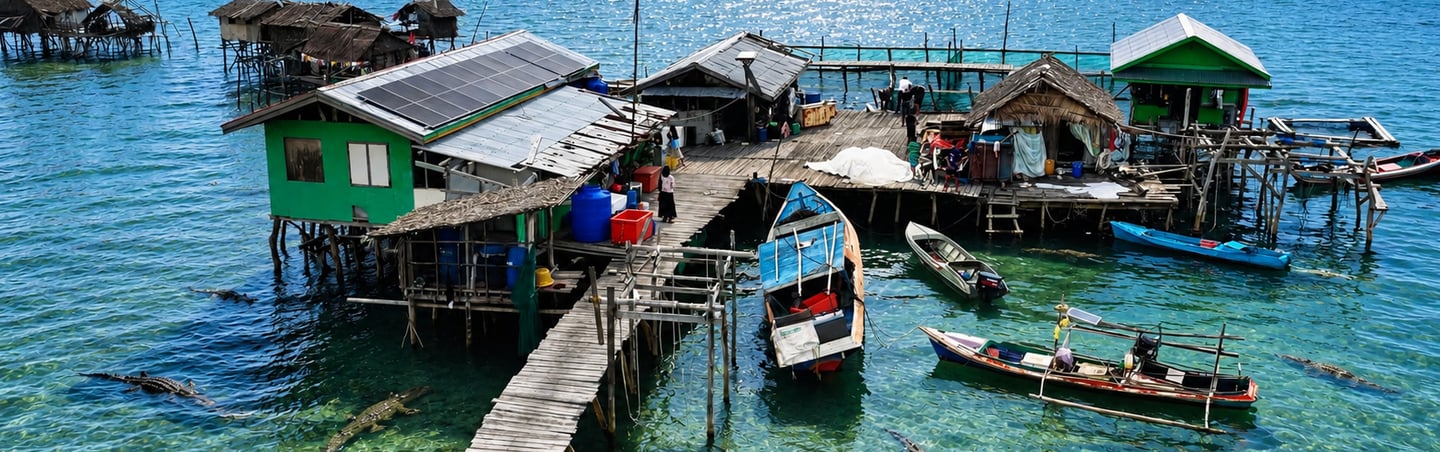
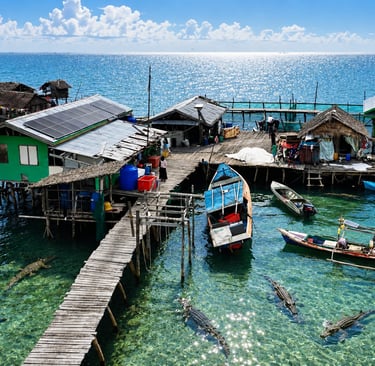
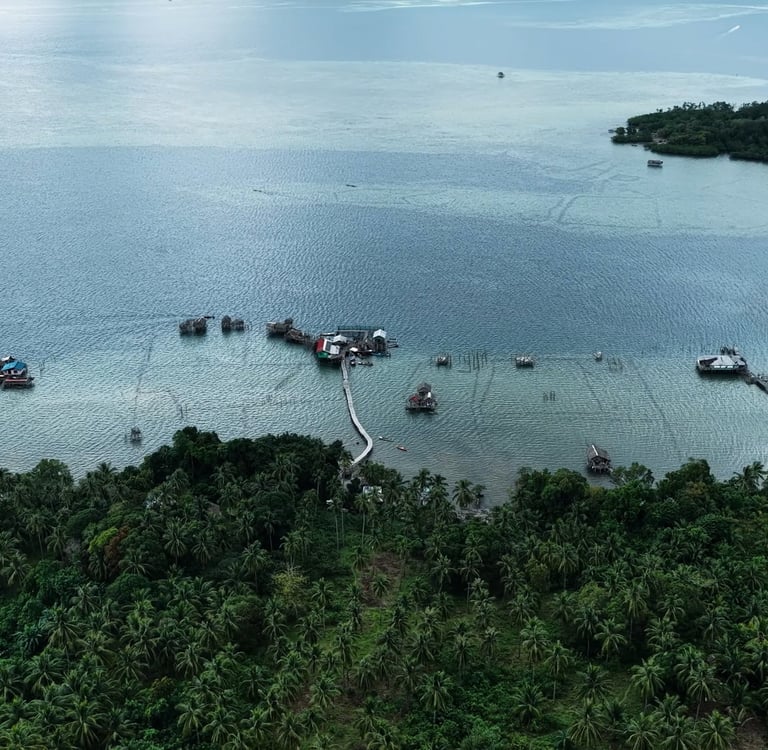
And then it opened up. Facing the waters of the West Philippine Sea, we reached Purina — a community standing entirely above the water. Houses of light materials on stilts, connected to the mainland by a wooden bridge. Sitio Sigumay in Catagupan is considered one of the hardest places in Balabac to reach, partly because of the rough road, and partly because of what swims in between.
Living Off a Dangerous Sea
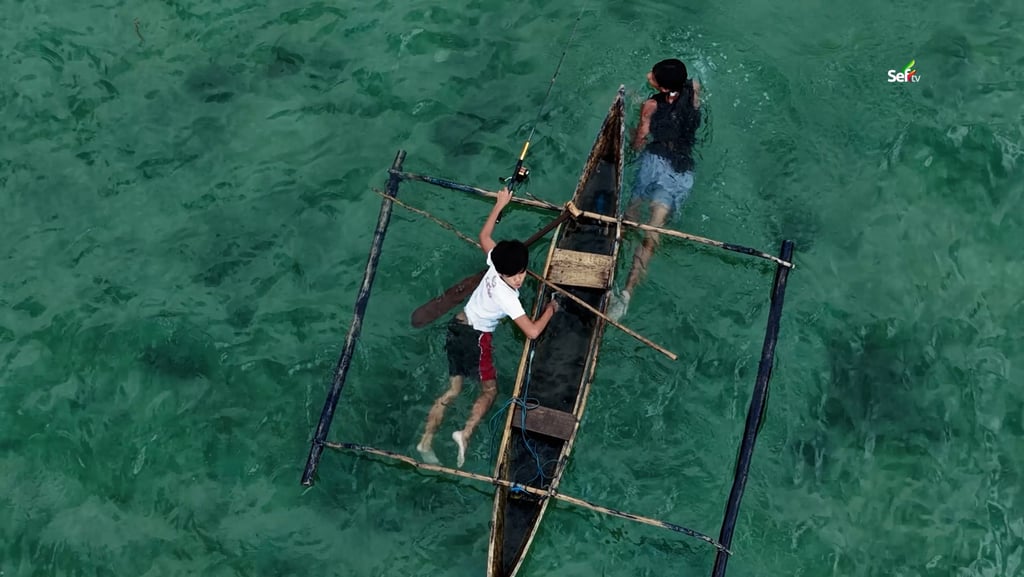
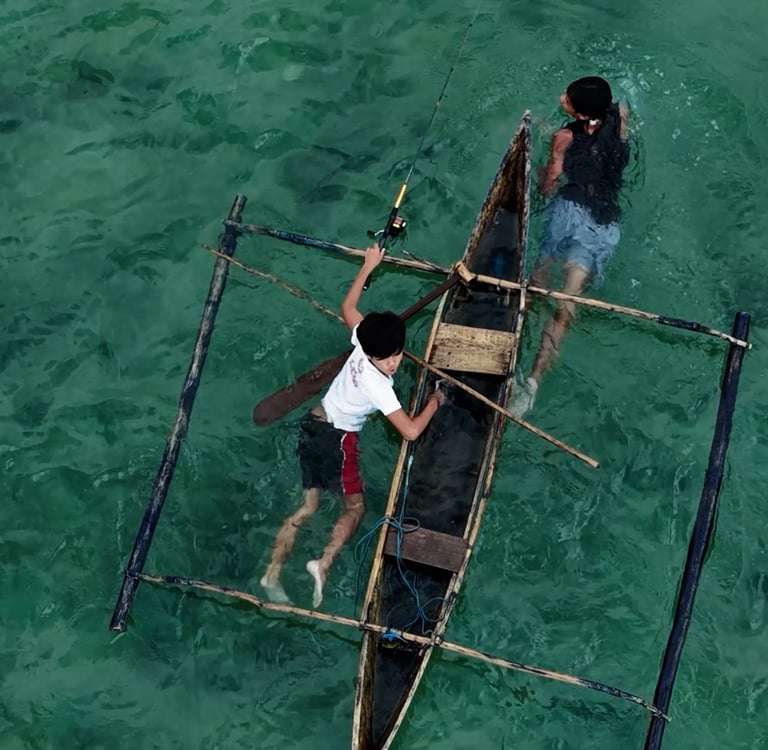
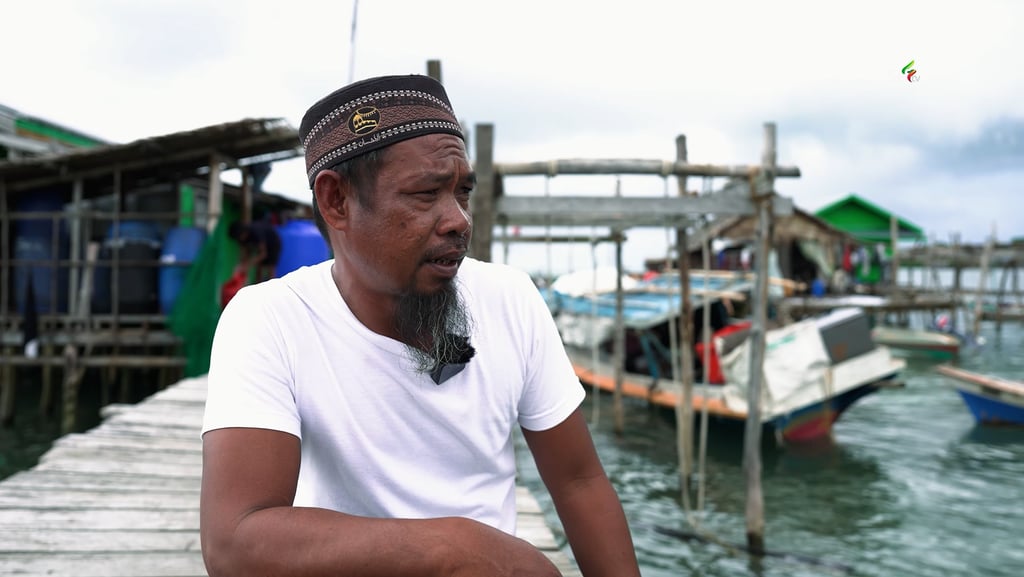
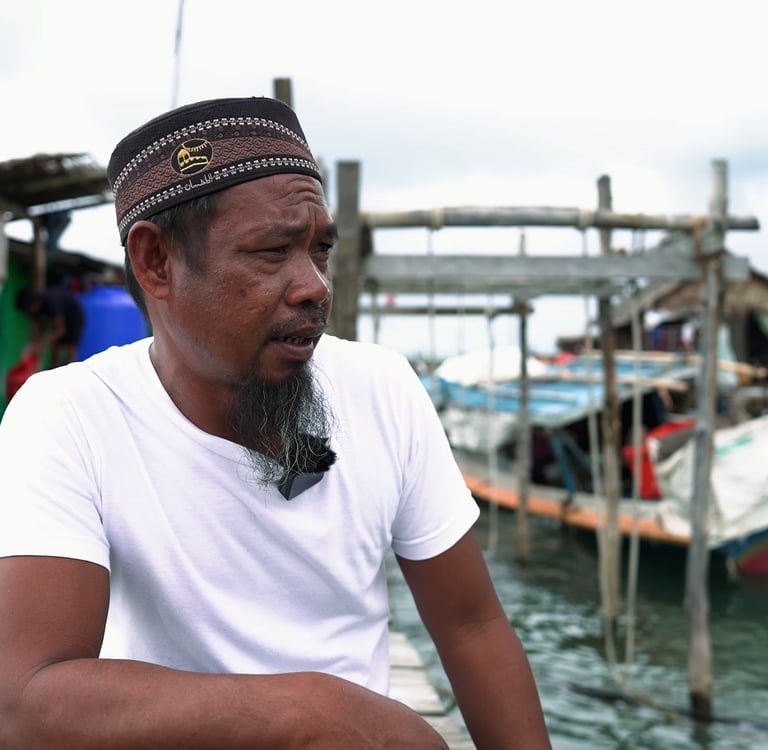
I honestly never expected to reach this part of Palawan. I came expecting beautiful islands, beachfronts and sandbars. Instead, we found ourselves in a remote sea village with stories you'd struggle to believe anywhere else.
"Just the other day, sir, I saw a crocodile," one resident told us. "Quite big. It could swallow a person."
In this one area alone, a local estimated around ten crocodiles. At night, he said, you can't count zero — sometimes four of them line up in a row on the rocks when the tide comes in, visible by nine in the evening. One man pointed to the front of his own house: a crocodile lingers there at night because his dog sleeps on the porch. He summed up the entire arrangement in one line that stayed with me long after we left:
"If we are fishing, the crocodile is hunting."
And the children? They're not afraid. They've grown up with this. We watched kids laughing as their small boat took on water — in a river where crocodiles are seen almost every day.
What keeps people here, surrounded by all this risk, is the same thing that attracts the crocodiles: the sea is extraordinarily rich. Balabac Island sits between the West Philippine Sea and the Sulu Sea, and most residents live by fishing. Purina in particular is known for its fresh seafood.
In the floating cages, we saw two kinds of lobster — the green "bimbo" lobster and the prized tiger lobster, which can weigh four to five kilos apiece and commands a higher price because it survives longer and is bound for export. Alongside them: live crabs and the giant fish that tourists love to eat.
All that seafood soaking in the water doesn't go unnoticed. One fisherman told us a crocodile broke into his net to eat his live lapu-lapu — and got its teeth caught in the mesh. When he checked in the morning, the crocodile was hanging there, tangled in his net.
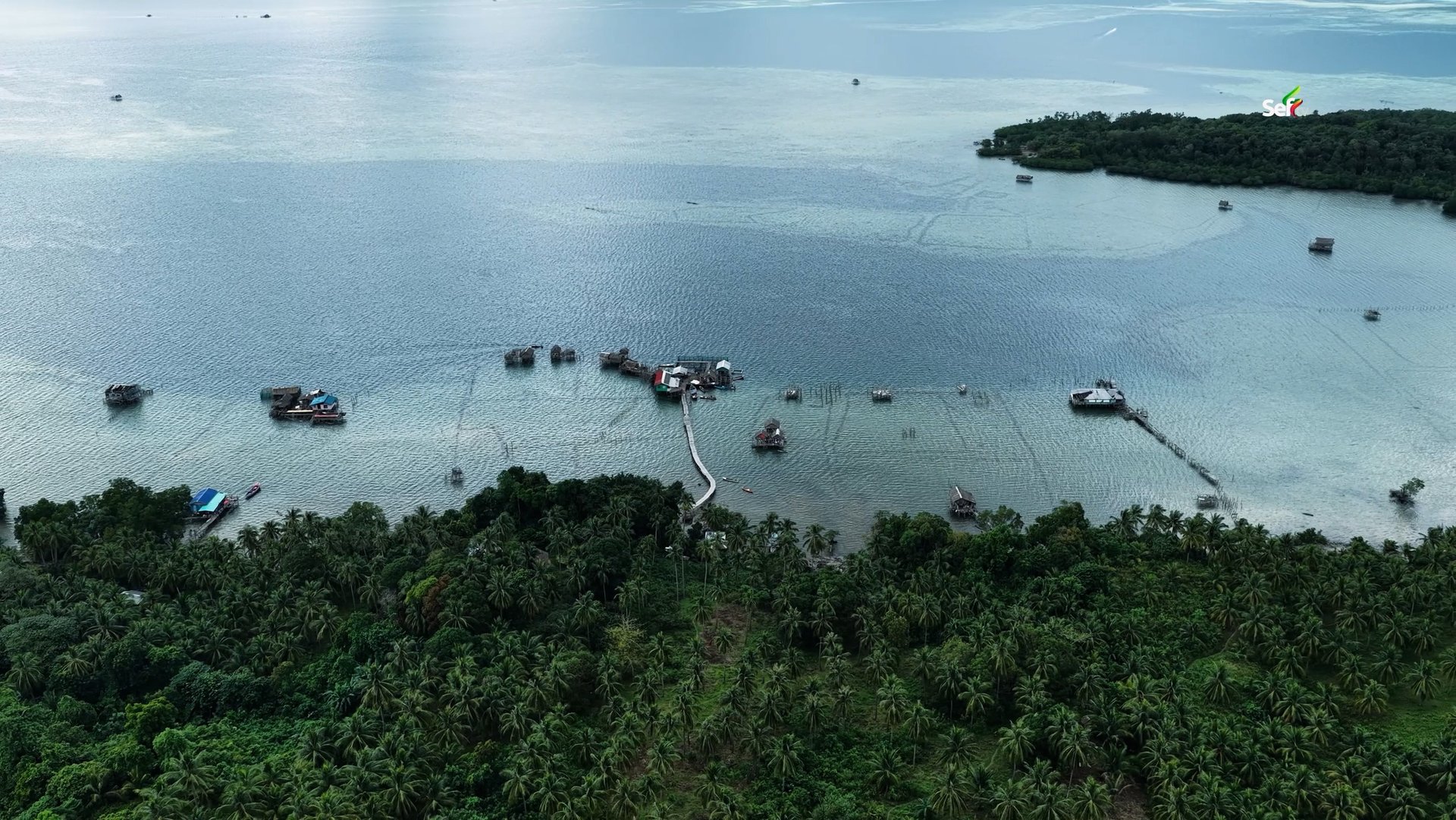
Learning to Share the Water
Not every barangay in Balabac has crocodiles — of the town's twenty barangays, some are out of their reach entirely. But in places like Barangay 5, where one crocodile was captured and is now in captivity, and in Catagupan and Purina, their presence is confirmed and constant.
There's a logic to where they appear. Crocodiles are cold-blooded, so they haul out onto beaches and dry ground to bask and absorb heat from the sun — which is exactly why locals so often spot them on the shore. The standing advice from those who know them best is simple: when you see a crocodile, avoid it. Don't disturb it. And be extra careful as breeding season approaches, because that's when they become more aggressive and more actively hunt for food.
It's not a war here. It's a wary, generations-old coexistence — humans fishing the same waters the crocodiles hunt, each side mostly keeping its distance, both refusing to leave.
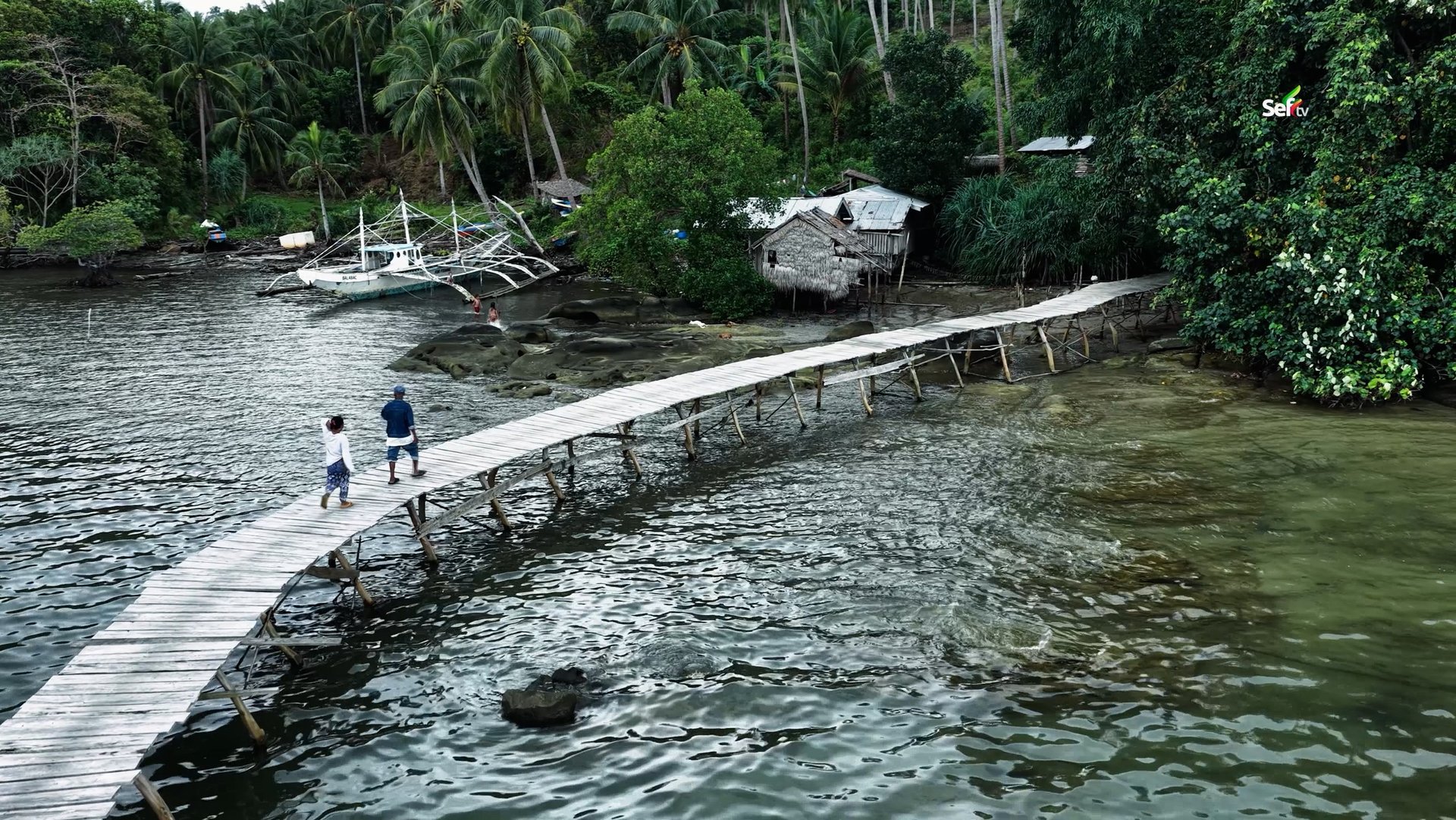
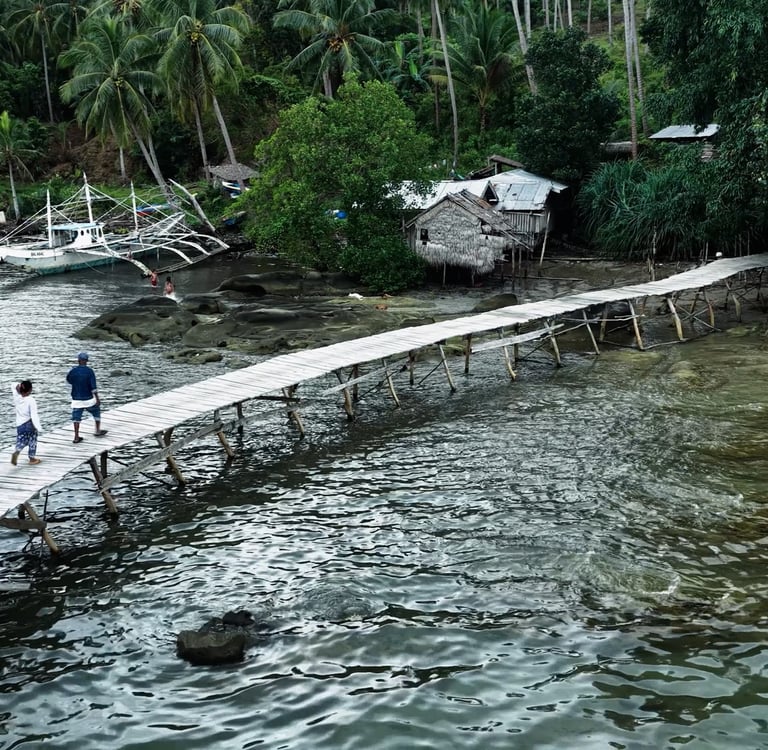
As the light faded, I kept watching the water, hoping our timing would line up and one of them would surface. It didn't — not that day. With dusk falling, we made our way back to Balabac proper to spend the night.
But that line from Purina kept echoing as the boat cut back through the brown river: If we are fishing, the crocodile is hunting. In most of the world, the wild is something you visit. In this corner of Palawan, it's something you live beside — just below the floorboards, just beyond the porch light, three or four of them lined up on the rocks at nine in the evening, sharing the same sea that feeds everyone.
Loved this story? Share it with others.