
The DEADLY Job Behind the Philippines' Most Expensive Stone
Everyone wants Romblon marble. Almost nobody sees what it takes to get it. We sailed 10 hours by sea, drove on roads made of pure stone, and watched men risk their lives in a quarry with no safety gear. What we found behind the Philippines' most expensive stone left us speechless. Watch till the end.
FEATURED STORIES
Joseph P.
6/29/20267 min read
A ten-hour night ferry, a beach ranked among the best in the world, a fort built in the 1600s, and the risky work behind every shiny slab of stone. Here is what I found in the Marble Capital of the Philippines.
The Most Expensive Stone in the Philippines Comes From HERE
By Joseph Pasalo
The first time I really noticed it, I almost drove right past it. The road our car was climbing was not plain cement or dirt. It was marble — the same fine stone that sells for thousands of pesos in the city, here pressed flat under our tires like ordinary gravel. That was the moment it sank in: in Romblon, marble is everywhere.
You see it in the mountains and in the open fields. You see it stacked along the roadside — some crushed into sacks, some cut into blocks, some polished until it takes a clean shape. A single carved piece can cost around 1,500 pesos. The better ones climb to 3,000 or even 4,000 pesos, because here you pay by the inch. For years I had wondered why this stone is so expensive, and how hard it really is to pull it out of the ground. So I packed my gear and went to see for myself.
Watch the video

The long way there
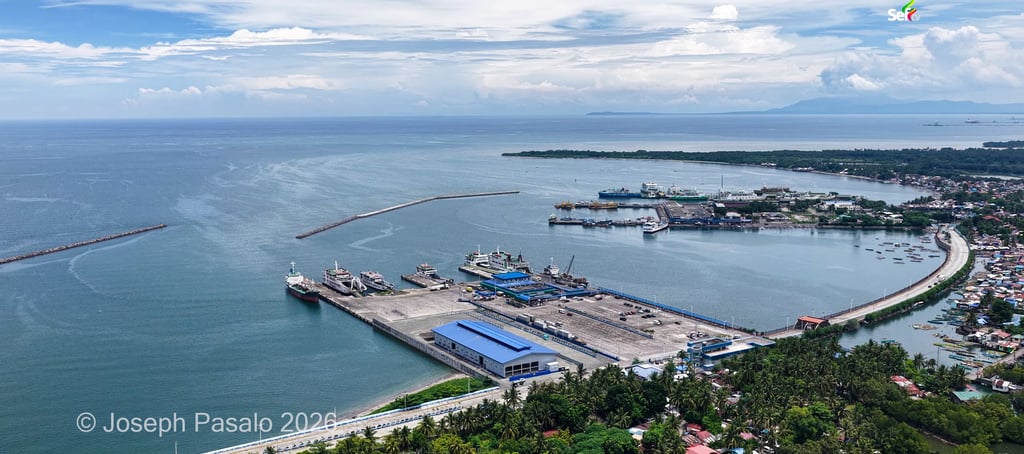
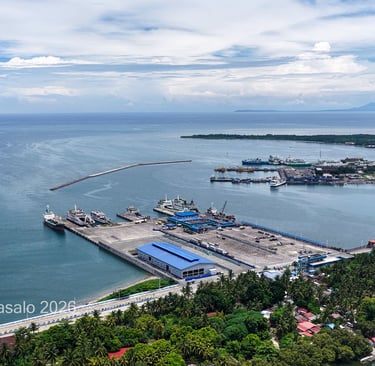
Getting to Romblon is not a quick trip. The ship from Quezon leaves only once a day, so we drove to Lucena the night before and slept at Santo Niño Residences. The room was simple and comfortable — a big bed, space for an extra one, a mini fridge, a clean bathroom — and it cost about 1,500 pesos for two people.
We could have left our car in Lucena, but bringing it across was not that expensive, and I knew we would need our own ride once we reached the island. The port was about six kilometers away. Two shipping lines run the route, Montenegro and Star Horse, and each one sails just once a day. We caught the Montenegro boat as it waited for passengers. Everything moved fast — the people at the parking area guided us before we even stepped into the terminal. By the time the paperwork was done, we had spent almost 7,000 pesos to take the car along.
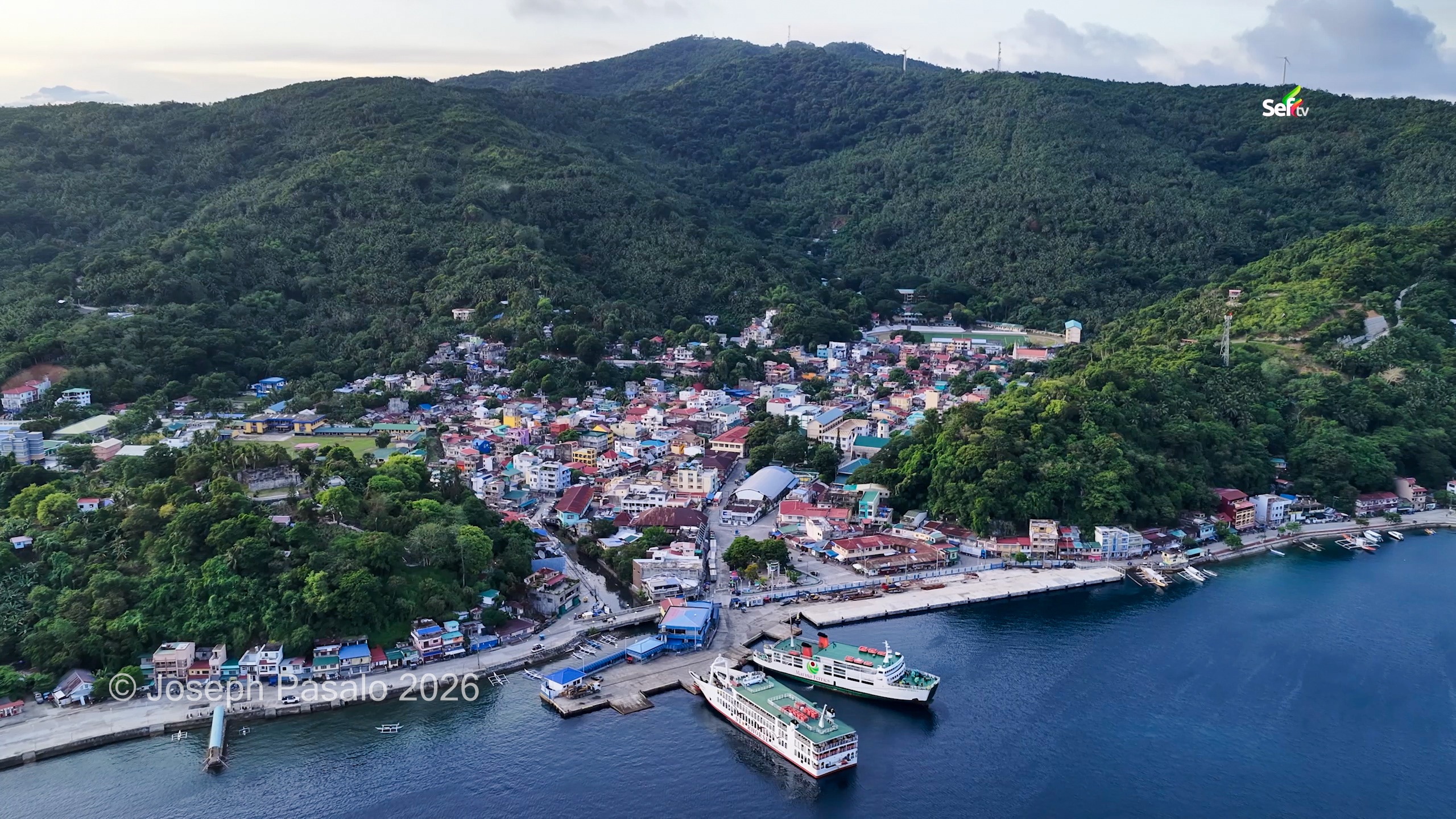
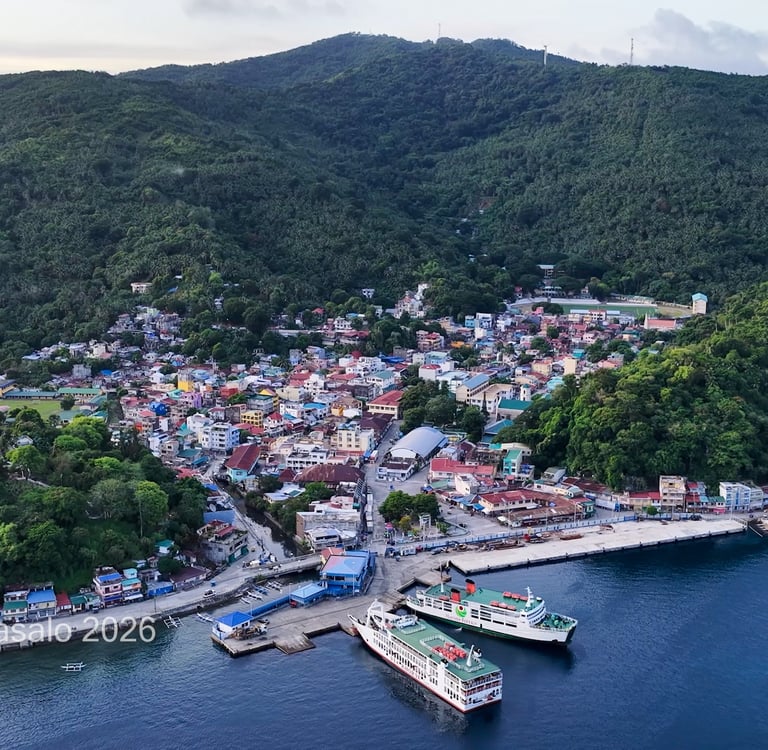
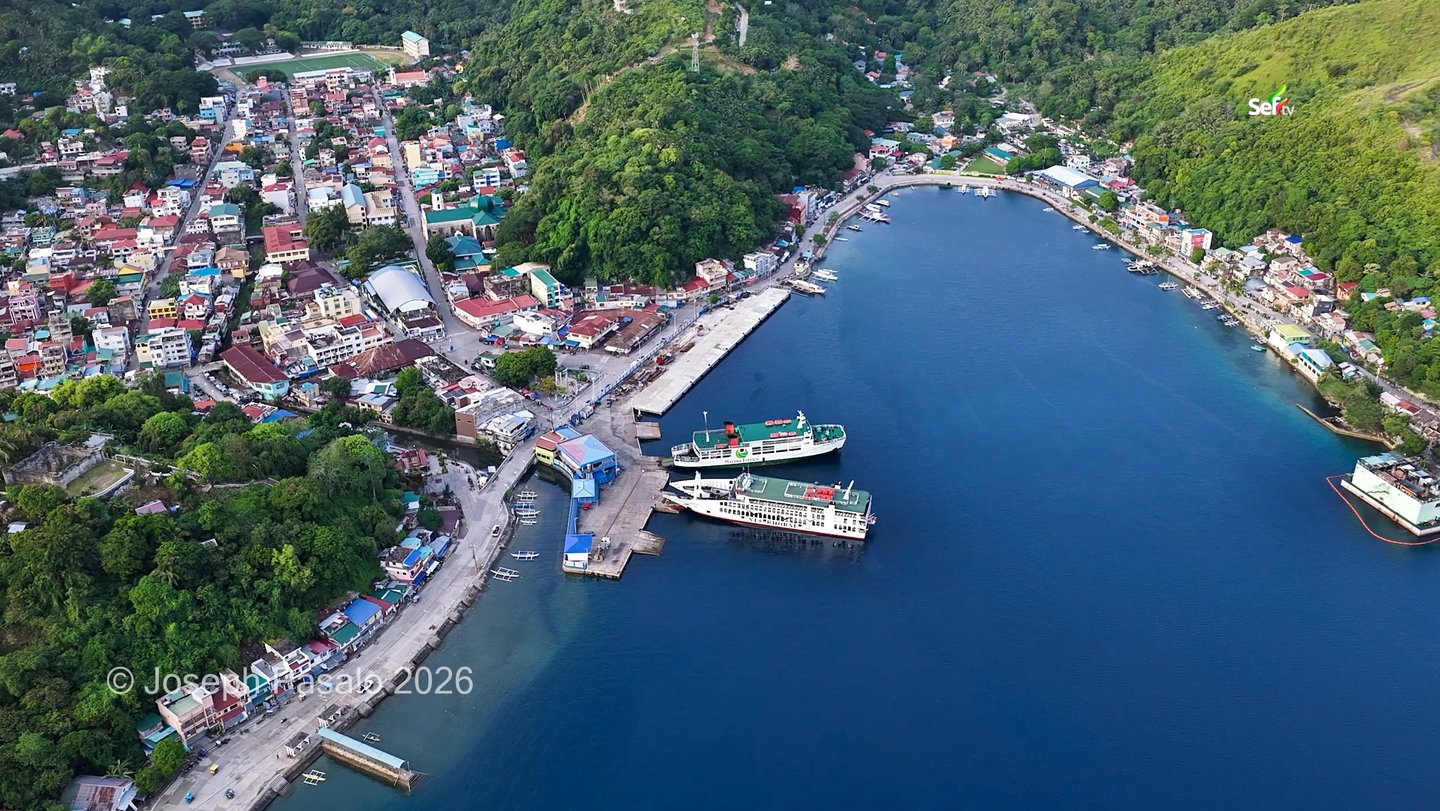
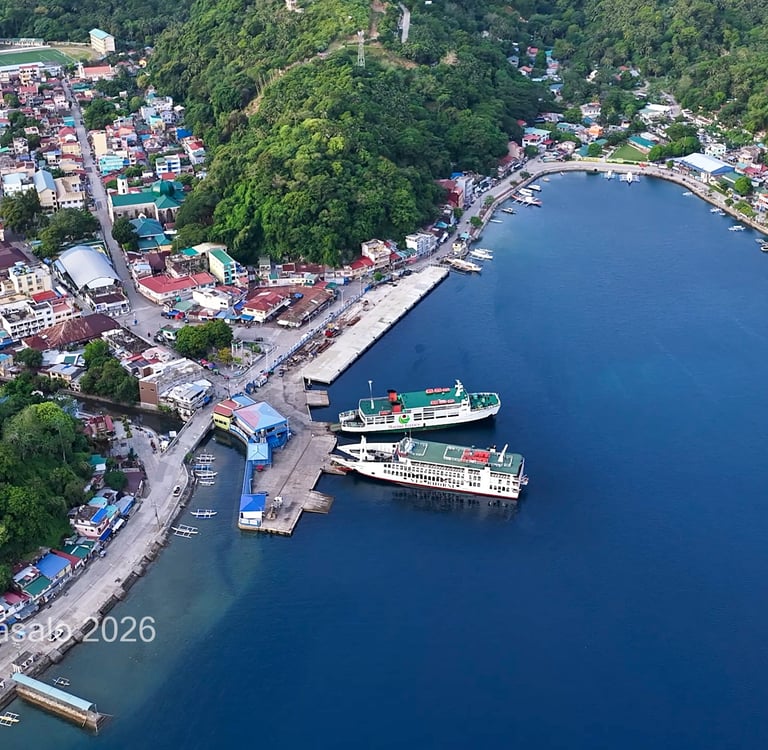
The ship pulled out at four in the afternoon. From there it was ten hours or more on the water, depending on the waves. I slept, woke, and slept again. When dawn finally broke, we were sliding into the port of Romblon town — the capital of the province.
A town that surprised me
I expected a sleepy little place. I was wrong. Even in the soft morning light I could see businesses and buildings you rarely find in far-off towns. Windmills turned on the ridge above us, and the streets were already busy with people starting their day.
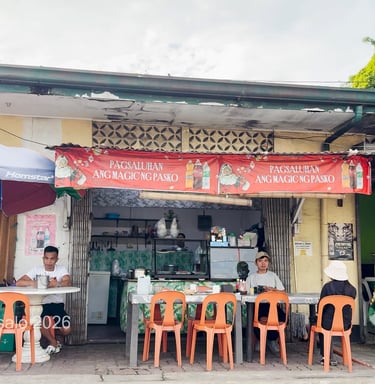
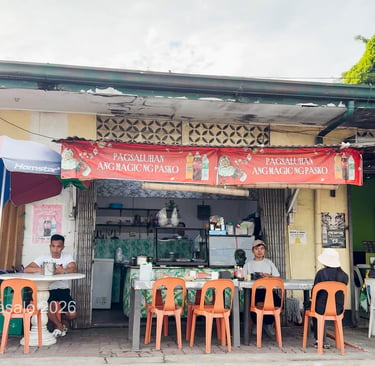
Right beside the port stood a row of carinderias, open early and full of life. We sat down to a warm breakfast and strong coffee — exactly what we needed after a night at sea. Then we found a room at Sea U Inn, a small place with only five rooms that, the owner told me, is almost always full. We added a bed for our third companion, dropped our bags, and set out to explore.
A beach ranked among the world's best
Our first stop was only two kilometers away, but it is known far beyond these shores. Bonbon Beach has two entrances — 60 pesos per person on the private side, where you can bring a car, and 20 pesos on the public side, for people on foot. A large tarpaulin near the gate says it plainly: this is the 38th best beach in the world.
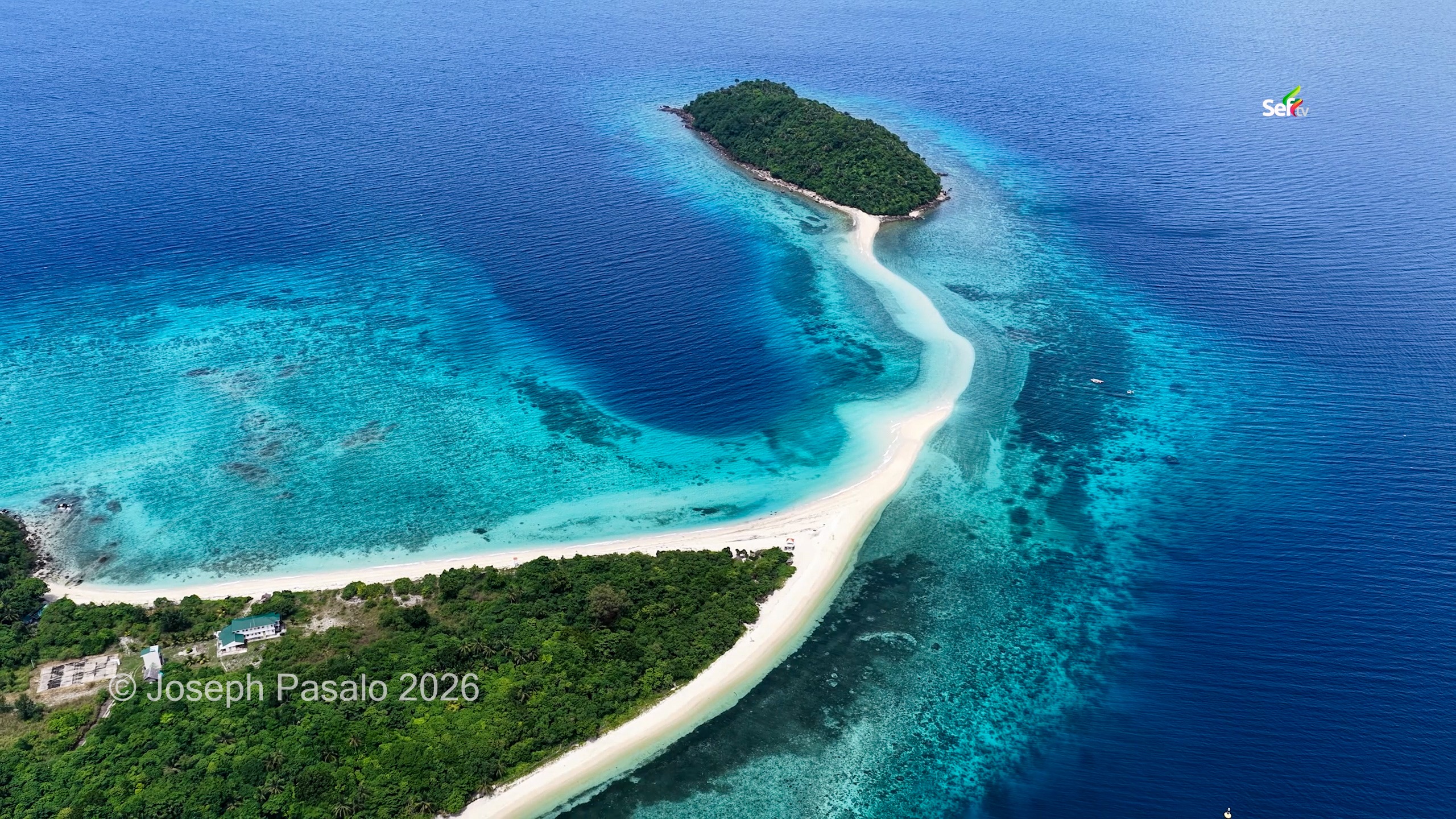
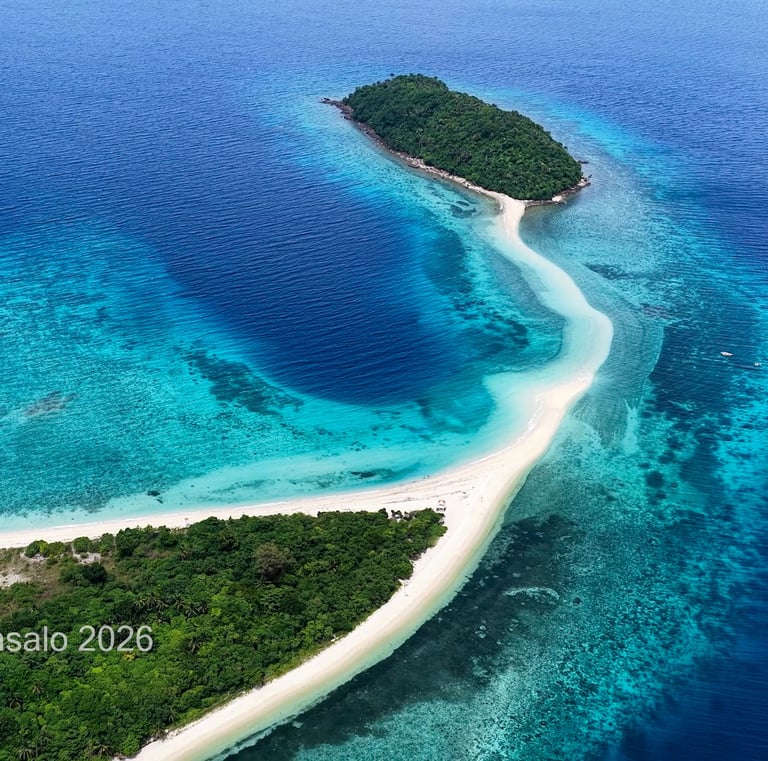
From the parking area we walked more than 200 meters under a line of shady trees. Then the sea opened up in front of us, and it was bluer than I had imagined. The real magic, though, comes at low tide. When the water pulls back — best seen from October to January, around the feast of the Santo Niño — a sandbar nearly 600 meters long rises out of the sea. It stretches like a pale bridge toward Bang-og Island, with clear, calm water on one side and stronger waves on the other.
I have stood on a lot of beaches in this country. But seeing this one in person, and not just on a screen, reminded me why I keep traveling. Some things you simply have to witness with your own eyes.
A fort that looks like a castle
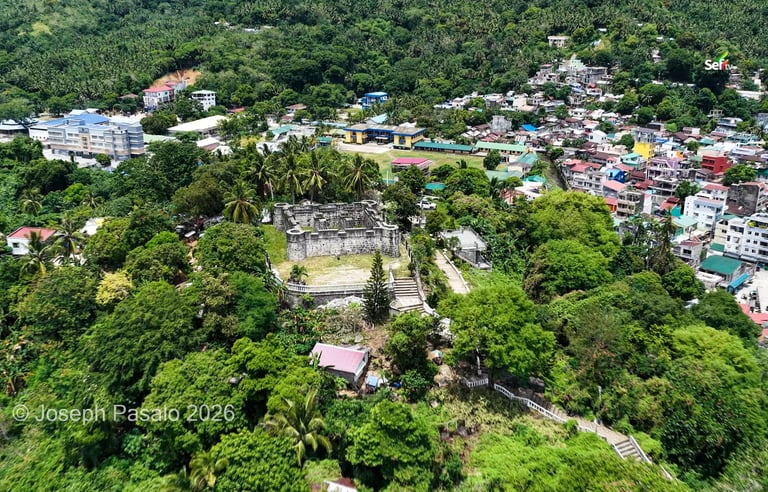
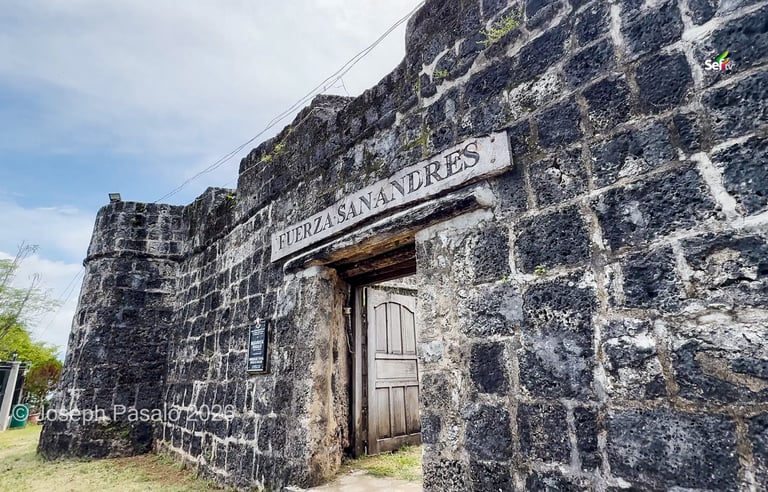
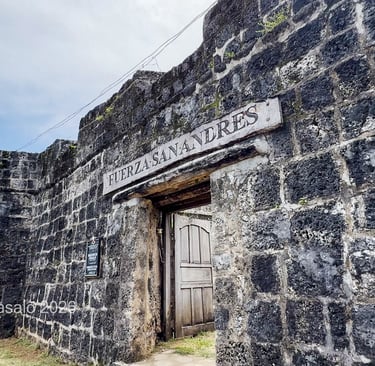
A short drive brought us to the town center and to something I did not expect to find on a small island: a structure that looks like a castle on top of a hill. This is Fuerza de San Andres, built in 1644 during the Spanish period.
Its thick walls were made from coral and limestone, and its square shape gives it the look of a small fortress from a fairy tale — the kind you only see in shows about princes and princesses. But its purpose was serious. From up here, defenders could watch the surrounding waters and guard the town against invaders and pirates. Today the railings are new, cut from local marble, and a monument honors Padre Agustín de San Pedro. Because of its place in the province's history, the fort has been declared a National Cultural Treasure.
The hard truth behind the shine
Then came the part I had traveled all this way to see. Crossing to the side of the island that faces Roxas, Capiz, we passed factory after factory, with mountains of quarried marble and sacks of crushed stone lining the road.
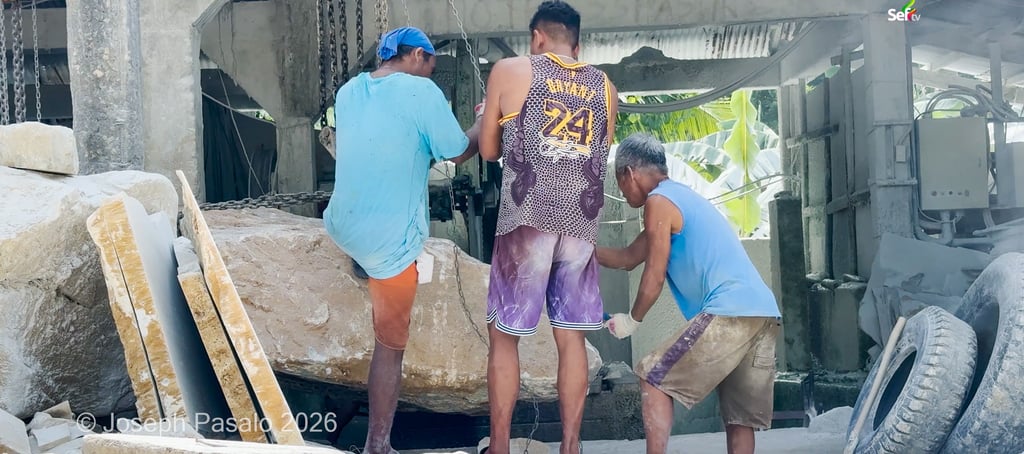
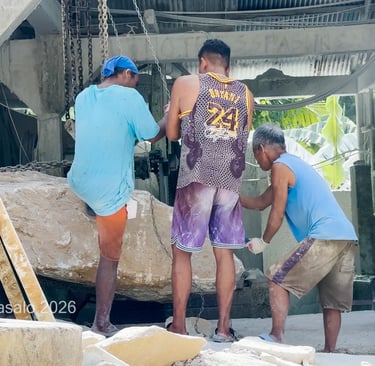
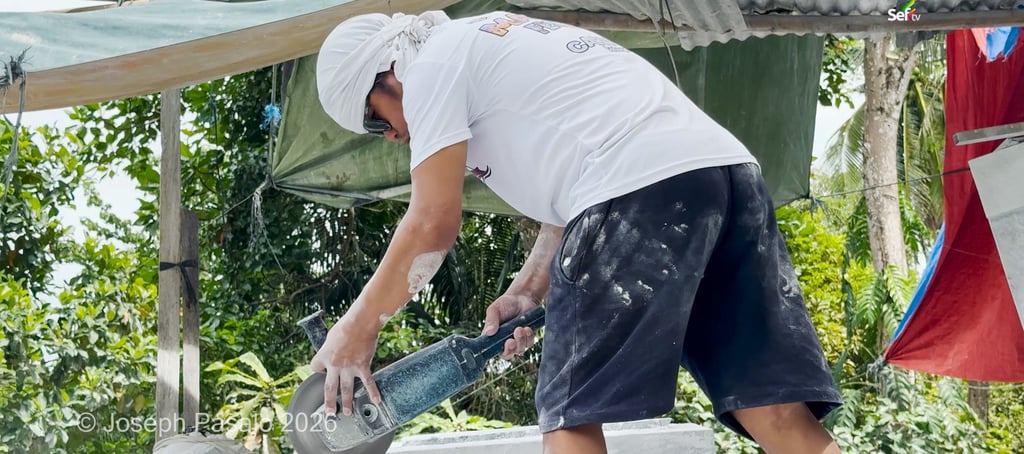
I walked down to one of the cutting yards, which everyone here simply calls a factory. The noise was deafening. Huge blades sliced through stone all day long, shaping blocks into whatever a customer ordered — tiles, crosses, headstones, and more. Nothing is wasted; even the broken bits and dust have a use. And the prices made sense once I saw the work: the smaller cut pieces around 1,500 pesos, the finer ones up to 4,000, all sold by the inch.
But the factory was only half the story. To understand the real cost, I followed a worker up to the quarry. A backhoe sat against the side of the mountain, and the hole it had carved was so deep it felt like stepping into a cave. Down in the pit, miners hammered at the rock by hand. They told me they crack the stone on purpose, so that when the machine strikes it, the marble splits cleanly along the line they want — saving both the slab and the exact size.
It sounds simple. It is not. These men dig and lift giant blocks of stone, and against the size of that mountain they look tiny. If a rock the size of a small house slips at the wrong moment, the people working below have nowhere to go. It frightened me just to watch. Yet the workers moved like it was any other day.
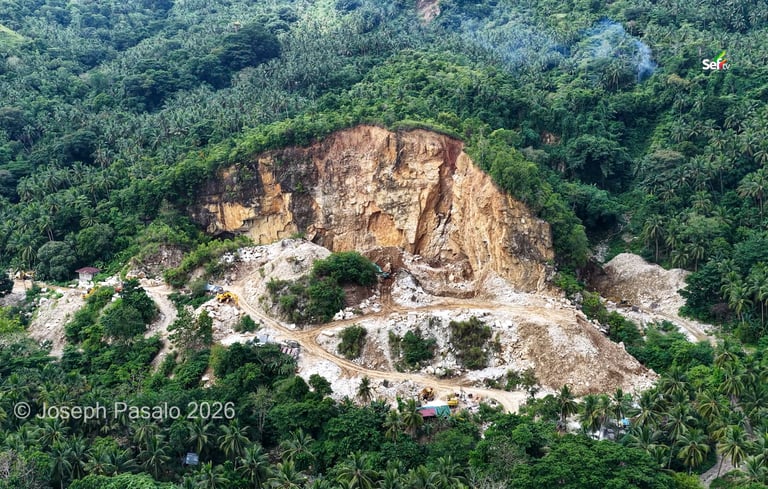
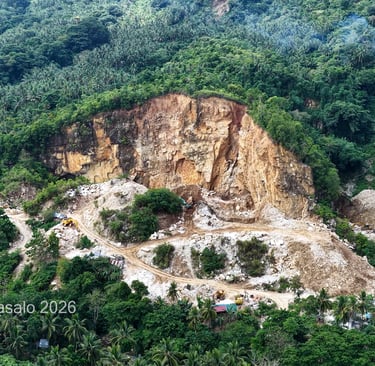
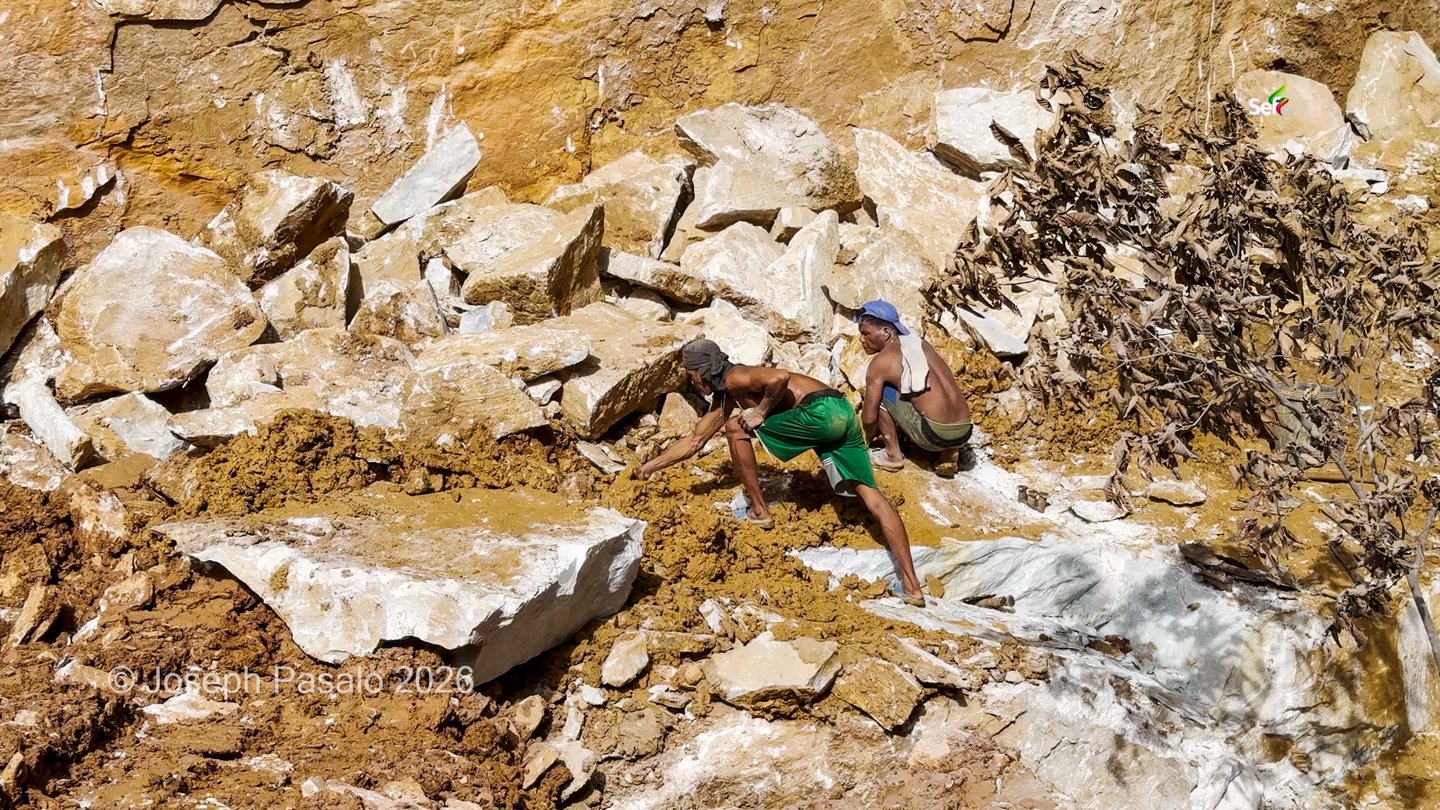
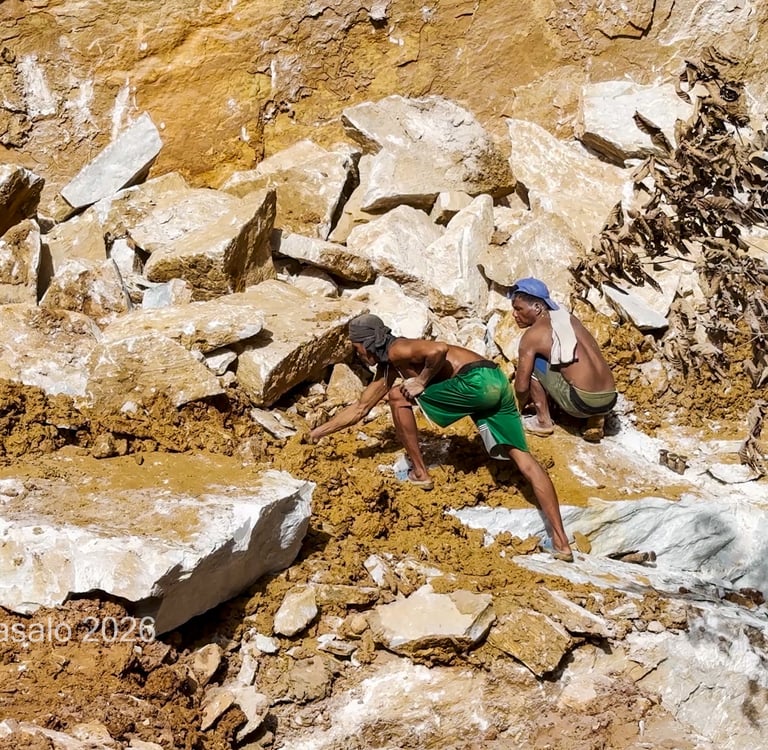
We were not wearing safety gear, and the sun was dropping, so we headed back to town. On the way down I understood the danger in a different way. The road itself was marble, steep and slick with sand, and our tires kept slipping. At the bottom we passed a truck that had gone off the road — they said its wheels lost their grip and the driver lost control. The stone that makes this place famous can also be unforgiving.
From raw rock to altars
The next morning I went looking for the other end of the story — the finished work. At a small workshop, marble becomes art. Craftsmen turn whole blocks into life-size statues, stands, and even complete church altars. Polishing a single piece can take a week of patient hands.
Watching a man smooth a figure out of solid stone, I felt the same respect I had felt at the quarry. From the mountain to the blade to the polishing cloth, the journey of a single piece of Romblon marble is long and demanding. The people who do this work go through so much before the stone ever shines.
I came to Romblon for its famous marble. I left thinking about its people — the miners in the pit, the cutters in the noise, the artists with their patient hands. The stone is beautiful. But the hands that shape it are what I will remember.