
The Secret Island Where the Sand Turns Pink
An island almost no one talks about. A resort built for just a few. A beach where the sand turns pink. I spent one night in this hidden corner between Masbate and Northern Samar — and it's a paradise still waiting to be found.
FEATURED STORIES
Joseph P.
6/29/20266 min read
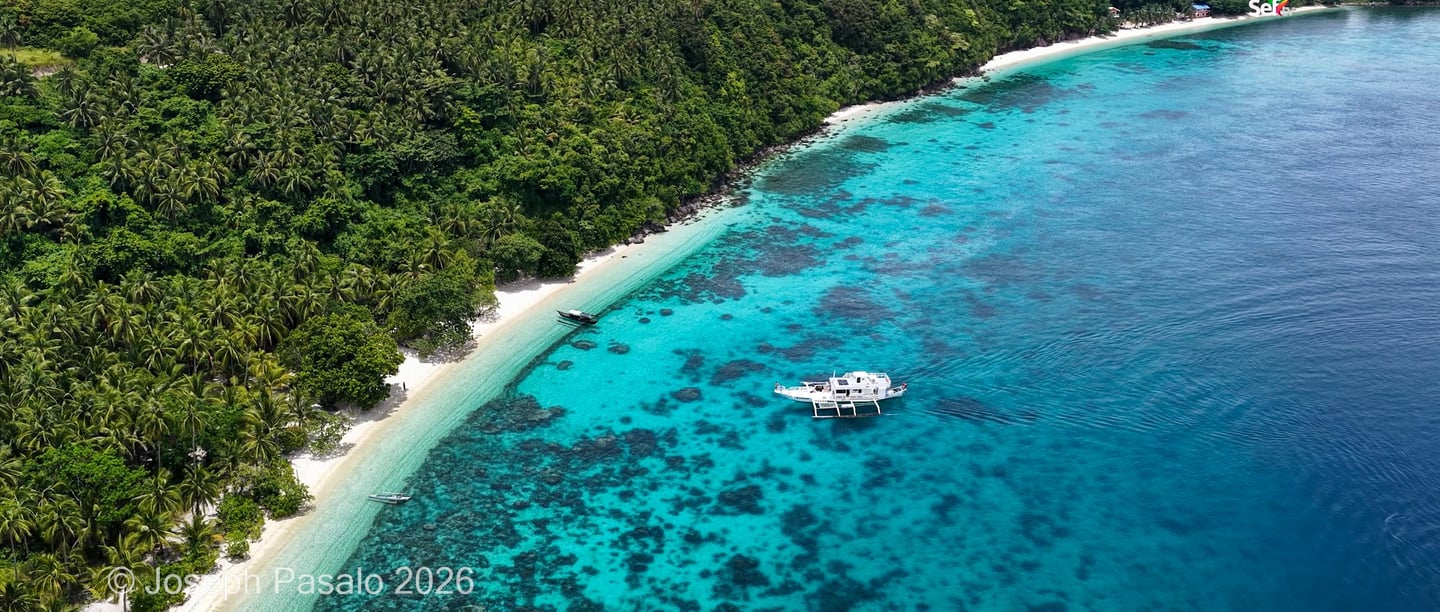
I spent a night at an exclusive resort on Sila, a small island between Masbate and Northern Samar — where the sand turns pink, the water runs clear, and I took my first breath underwater.
The Secret Island Where the Sand Turns Pink
By Joseph Pasalo
I have lost count of the places this channel has taken me. But I had never stayed anywhere quite like Sila.
It is a small island sitting in the open water between Masbate and Northern Samar, far enough off the usual path that even people who travel often rarely say its name. More than a thousand people live there. Along one stretch of its shore sits a resort that takes in only a few guests at a time. For one night and two days, I was one of them — and being among the only visitors, I came to learn, is the best way to feel everything the place has to offer.
Getting there is half the story.
Watch the video

A morning on the water
Our day began at the port of San Isidro, just off the main road in Northern Samar. Boats leave from here throughout the day, crossing to the town of San Antonio. I learned at the port that San Isidro carries a nice title — the Waterfalls Capital of Northern Samar — because so many falls pour down its mountains. But the falls were not our goal. Our eyes were on the islands sitting in the water in front of us.
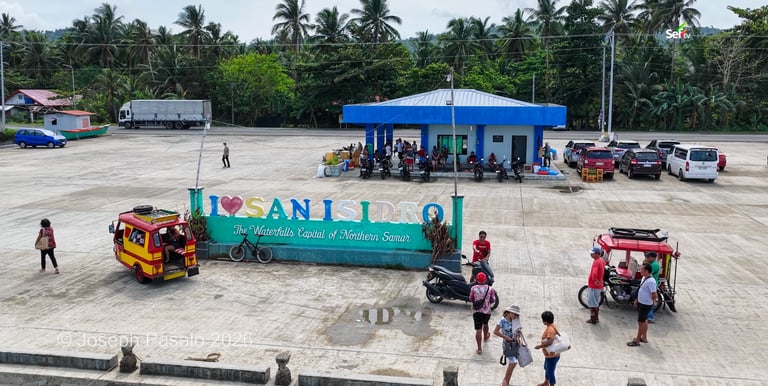
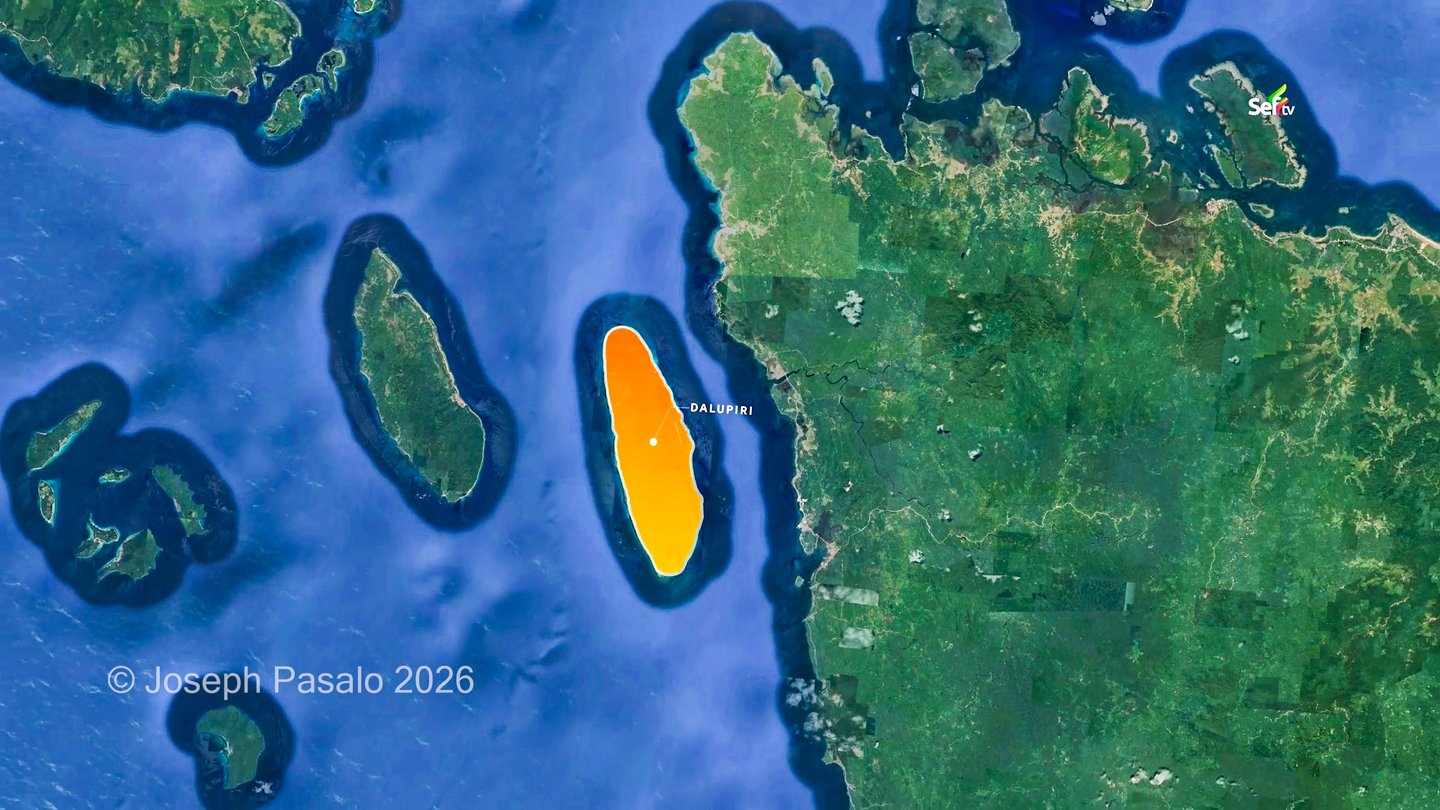
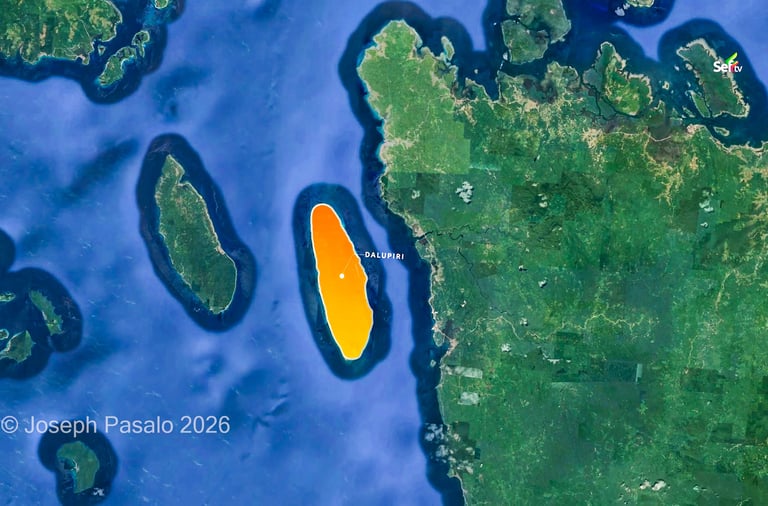
The crossing to San Antonio cost about a hundred pesos per person. It is close, so the fare stays cheap. Roughly twenty minutes later, after a little more than four kilometers of sea, we reached Dalupiri Island.
Dalupiri surprised me. At the dock, single motorcycles and tricycles waited for passengers, and a small tourism office asked visitors to write their names in a logbook. The island is large — close to three thousand hectares — and holds ten barangays. Three of them carry an unusual name: Ward One, Ward Two, and Ward Three. I found out why. Back around the 1940s, "ward" was simply another word for a district or community, a term the Americans used here. The name stuck.
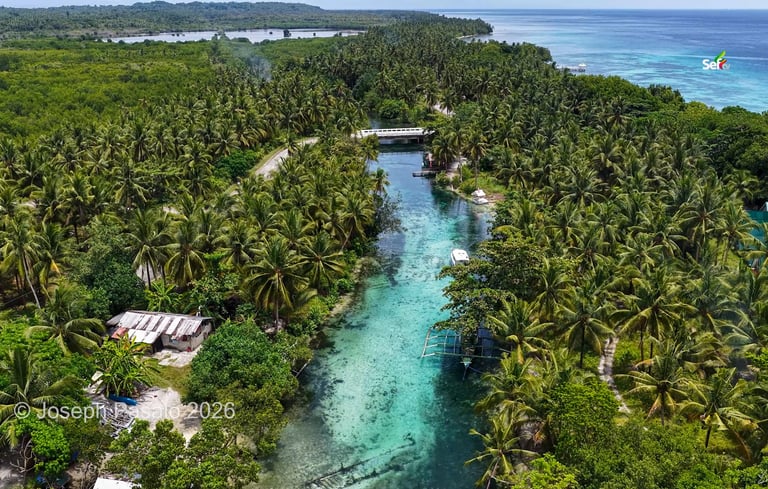
The roads are clean and cemented, running in a loop so a tricycle can take you almost anywhere. We passed a runway being built for a small airport, more than a kilometer long, with houses of light materials standing along its edge. Near it ran a waterway so clear you could count the stones at the bottom. It feeds Lagbangan Lake, a seventy-six-hectare lake owned by the government today, though it was private land back in the 1970s.
What I will remember most about Dalupiri, though, is the quiet. The sand is fine and white. The only sounds are water meeting the shore, wind moving through the trees, and birds. It already felt like enough. But it was only noon, and our real destination was still more than twenty kilometers away.
The crossing to Sila
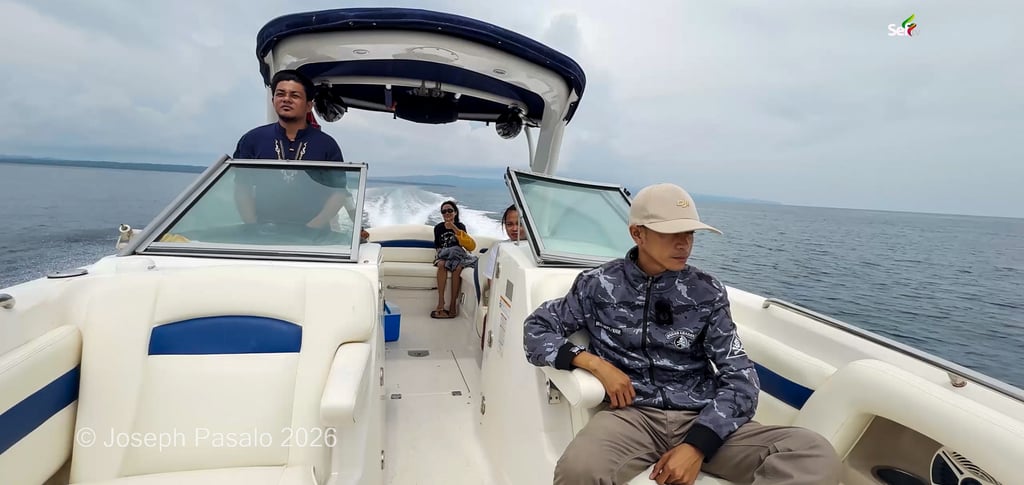
A speedboat carried us the rest of the way. We moved fast — close to sixty kilometers an hour — yet the ride stayed smooth, and our companions sat back, relaxed, as the islands slid past. A little over thirty minutes later, Sila appeared.
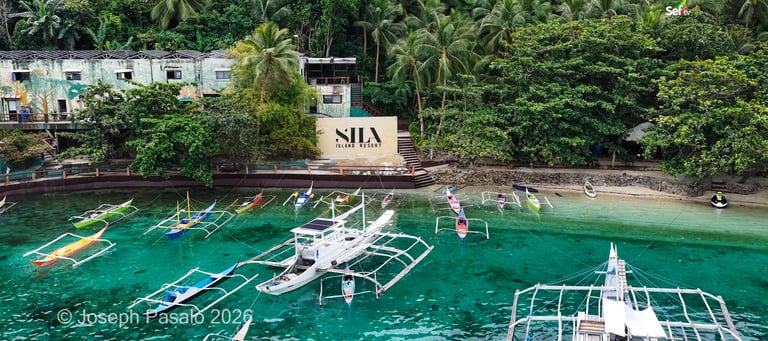
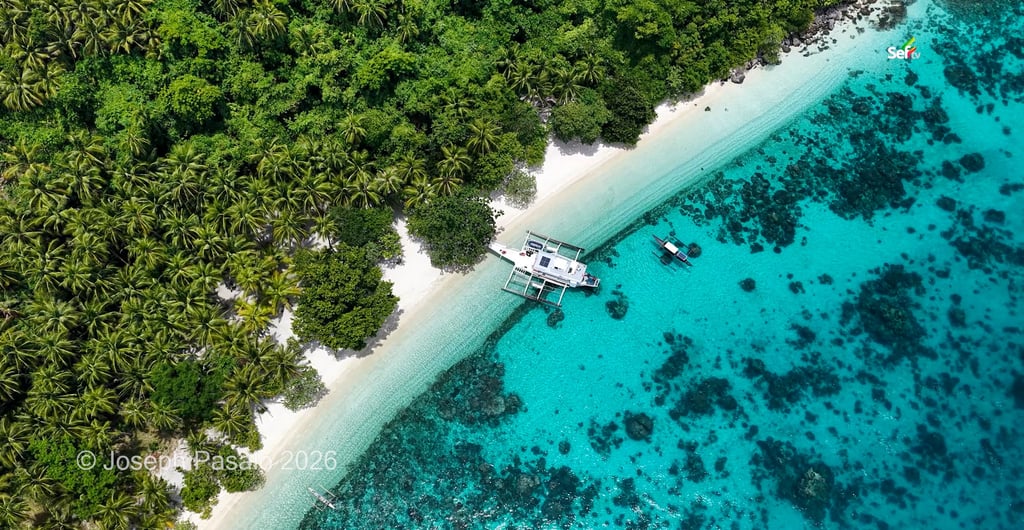
Resort staff met us at the shore, ready to guide us so we could settle in. They walked me through the villas first. The beachfront villa sits right by the water and comes full board, with a roomy bath. The executive villa, higher up on the hill, is much the same but adds a minibar — and a better view. Beyond the rooms there is an infinity pool, a clubhouse, a poolside bar, a bamboo teppanyaki grill, and a spa. From there, a single footpath leads over to the far shore, where the island keeps its most famous secret: the Pink Beach of Northern Samar.
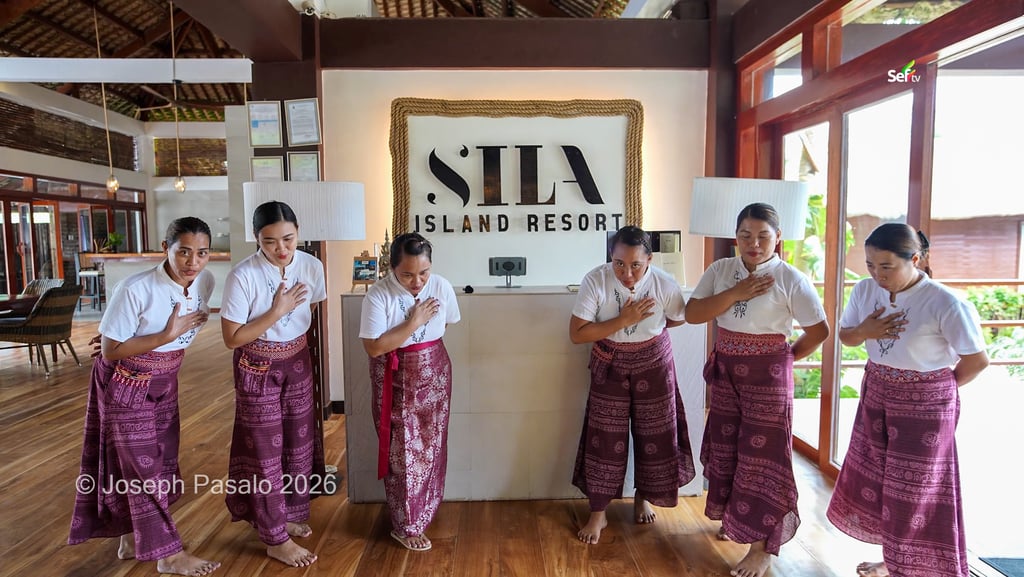
What stayed with me was not only the comfort, but how the resort runs. Its power comes from solar panels — one set on the mountain, another at the powerhouse. Its water comes straight from the sea, with the salt removed to make it fresh, then pushed through six stages of filtering before anyone drinks it. The staff keep plastic close to zero and reuse whatever they can. They even keep a telescope for guests who like to watch the stars, something few resorts in the country offer. Ours sat unused that first night — the sky had turned cloudy — but knowing it was there told me something about the place.
My first breath underwater
Then came the part that scared me a little.
I had never gone scuba diving, and I cannot swim. Before we touched the water, an instructor showed me the gear piece by piece — the vest that controls how you float, the gauge that tells you how much air is left and how deep you are, the hoses, the tank. The full setup weighs about ten kilos on land. Underwater, he promised, it feels light.
I told him the truth — first time, can't swim — and asked what that meant for me. Nothing to worry about, he said. First-timers train in the pool for about an hour, learning how to breathe and how to ease the pressure that builds in your ears as you go down. It took me a little over an hour to get the basics.
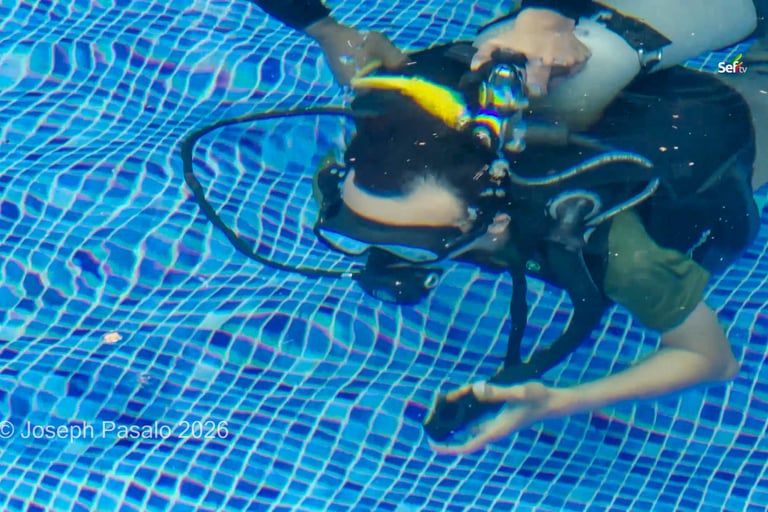
When I finally went under, the world changed. It was strangely loud, the pressure pressing harder the deeper I went. I did not go far down. I did not need to. Even from there I could see how rich the sea is in this part of Northern Samar — alive with color in every direction.
Dinner on a moving boat, and a pink shore
That evening, dinner came with a setup I had never tried: we ate on the boat while it cruised slowly around the island. The food could have been served on Pink Beach under the sunset, but I think the moving boat was better — the view kept changing with every bite.
The next day, a guide named Jason took us across the cluster of islands that surrounds Sila — Tarnate, Sangputan, Medio, Mahaba, and Maragat. Sila sits right in the middle of them, between Northern Samar and Masbate, which is why the waters here overflow with seafood. The islands lie close together, so it took only about twenty minutes by boat to reach Pink Beach.
And it really is pink. The sand mixes white grains with crushed pink coral, and when the sun strikes the shore and the shallow water, the whole beach takes on a soft rose color. That is the reason for its name, and it is hard to look away from.
The quiet beside the luxury
From that bright beach, we crossed to a simpler place — a small, quiet community on the islands. Here there were almost no people about. I could hear nothing but the waves and the crowing of chickens. A church stood behind the covered court, and many of the houses sat empty.
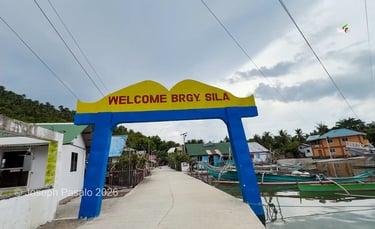
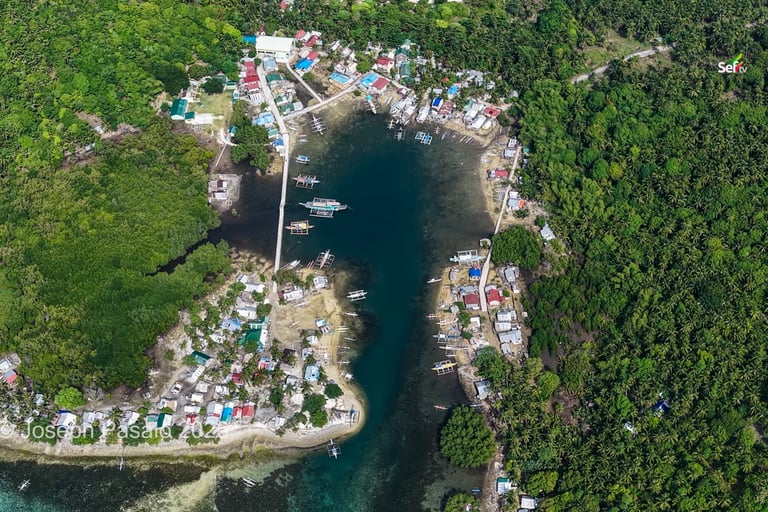
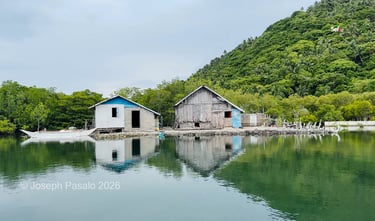
This is part of the municipality of San Vicente, which is made up of six island-paradises and seven barangays, with Sila at the center. Not many people live here, so some corners still feel untouched. What struck me as I walked through Barangay Sila was how clean it is. The waterways held no trash, from the dock to the school and around to the far side. That matters here, because the sea is where these families make their living.
We spent only one night and two days, but I can say the trip was worth every hour. Sila and the islands around it are proof of something I keep relearning: even now, when our screens overflow with photos of every corner of the world, there are still places kept quietly out of view — secret paradises, ready to welcome whoever comes, whether in a group or, like the best way to see this one, nearly alone.